You Won’t Believe What I Found Hiking Near San Juan
Hiking around San Juan, Puerto Rico, isn’t just about breathtaking trails and coastal views—it’s also a gateway to something unexpected: local specialty products hidden in plain sight. I stumbled upon small farms, roadside stands, and family-run spots where artisans craft unique goods you won’t find in stores. From tropical fruit preserves to handmade soaps infused with island herbs, these treasures add a whole new layer to the adventure. This is more than a trek—it’s a taste of Puerto Rico’s soul. Each step along the sun-dappled paths brought not only fresh sea air and panoramic vistas but also moments of connection with people who pour generations of tradition into every jar, bottle, and bar they create. What began as a simple outdoor escape evolved into a journey of discovery, where nature and culture intertwined in the most delightful ways.
Why Hiking Trails Near San Juan Lead to Authentic Local Experiences
The trails radiating from the outskirts of San Juan offer more than physical challenge or scenic reward—they serve as quiet conduits into the island’s living culture. Unlike heavily touristed attractions, these paths wind through rural communities where daily life unfolds at a gentle pace, rooted in agriculture and tradition. As hikers move from coastal bluffs into the rolling hills of the interior, they pass through zones where small-scale farming thrives. These are not vast commercial plantations but family-tended plots growing plantains, pineapples, coconuts, and citrus fruits, often using methods passed down for decades.
What makes these hikes uniquely enriching is their proximity to real, working landscapes. Unlike isolated nature reserves, many trails near San Juan—especially those extending toward the Luquillo Mountains or along the northern coast—intersect with local life. A footpath might lead past a shaded grove where a farmer is harvesting yautía, or beside a modest home where a woman stirs a bubbling pot of guava paste on an outdoor stove. These encounters are not staged for tourists; they are glimpses into a way of life that remains deeply connected to the land.
This blend of outdoor recreation and cultural immersion is no accident. Puerto Rico has increasingly embraced agrotourism as a sustainable alternative to mass tourism, and hiking plays a central role in this shift. By walking through these landscapes, visitors gain access to experiences that are both authentic and respectful—opportunities to see how food is grown, how crafts are made, and how communities sustain themselves. The rhythm of the hike mirrors the rhythm of rural life: steady, deliberate, and grounded in nature. It’s an experience that invites curiosity, rewards patience, and fosters a deeper appreciation for the island’s heritage.
Top Hiking Routes That Double as Cultural Journeys
For travelers seeking both natural beauty and cultural connection, several hiking routes near San Juan stand out as ideal pathways to discovery. One of the most rewarding is a segment of the Camino del Sol, a developing trail system that traces old rural roads and footpaths from the coast into the island’s interior. While still being expanded, accessible portions near Loíza and Canóvanas offer gentle inclines, shaded corridors of guava and mango trees, and views of small farms tucked into the hills. The trail is well-marked in sections, with clear signage and occasional informational boards that highlight local flora and history.
Another excellent choice is the network of trails near the foothills of El Yunque National Forest. Though the forest itself draws large crowds, the lower-elevation paths leading into its perimeter—such as those starting from the town of Río Grande—are often quieter and more integrated with local life. These routes typically range from two to four miles in length, with moderate elevation gains that make them suitable for hikers of various fitness levels. The terrain alternates between dirt paths, stone steps, and paved farm roads, offering a varied and engaging experience.
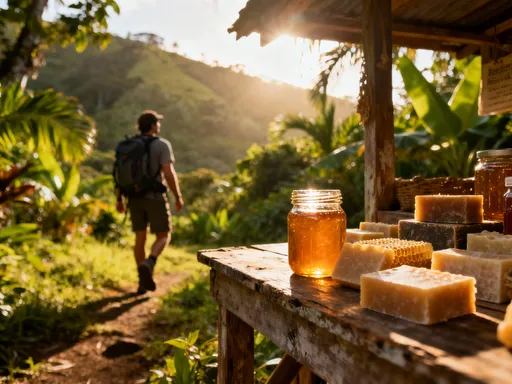
What sets these hikes apart is not just their natural appeal but their integration with working landscapes. Along the way, it’s common to see small farms cultivating root crops, beekeepers tending hives in shaded clearings, or families harvesting coconuts from backyard palms. Some trails even pass directly by roadside stands where hikers can pause for fresh coconut water or a sample of homemade mabi, a fermented drink made from the mabi tree’s bark. These are not commercialized stops but informal outposts run by locals who welcome visitors with warmth and pride in their products.
Travelers should approach these hikes with realistic expectations. These are not extreme mountaineering challenges, nor are they paved promenades. Instead, they offer a middle ground—a chance to engage with nature while remaining connected to community life. Proper footwear, sun protection, and plenty of water are essential, as shade can be sparse in certain sections. But the rewards far outweigh the effort: fresh air, scenic beauty, and the possibility of stumbling upon a hidden gem—a family-run apiary, a small coffee roaster, or a craftsperson selling herbal soaps made from island-grown ingredients.
Encounters with Local Producers Along the Way
One of the most memorable aspects of hiking near San Juan is the spontaneous encounters with local producers. These are not curated tours or scheduled demonstrations but real, unscripted moments of connection. On a morning hike near Trujillo Alto, I came across a small farm where an elderly couple was processing honey from hives nestled beneath a grove of avocado trees. They offered a taste of their raw honey—thick, floral, and subtly earthy—explaining how they use no artificial chemicals and harvest only when the bees have sealed the comb naturally. Their pride in their work was evident, and their willingness to share their knowledge made the experience deeply personal.
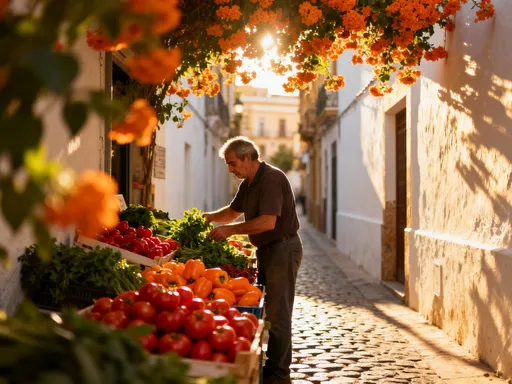
Further along the same route, I found a roadside stand where a woman sold jars of guayabate, a thick guava paste often paired with cheese. She made it in small batches using fruit from her own trees, cooking it slowly over a wood-fired stove to preserve its rich flavor. Watching her stir the simmering mixture, I learned that the process takes hours and requires constant attention to prevent burning. This kind of dedication is common among local artisans, who view their craft not just as a source of income but as a continuation of family tradition.
Other specialty products encountered include coffee from small roasters in the hills above Cataño, where beans are hand-picked and roasted in small batches to highlight their unique terroir. Some producers offer tastings, allowing visitors to compare different roast levels or growing conditions. Coconut-based skincare is another standout—creams, lotions, and soaps made with cold-pressed coconut oil and infused with native herbs like lemongrass or oregano brujo. These items are often sold at modest stands or through word of mouth, making them true hidden gems.
What unites these producers is a commitment to authenticity. Their methods are often labor-intensive and rooted in ancestral knowledge. Many learned their craft from parents or grandparents, and they take pride in preserving techniques that might otherwise be lost. For the hiker, these interactions are more than transactional—they are invitations to slow down, listen, and appreciate the care behind each product. Buying a jar of honey or a bar of soap becomes an act of support for sustainable practices and cultural preservation.
The Role of Agrotourism in Preserving Puerto Rican Heritage
Agrotourism—the practice of visiting farms and rural communities to experience agriculture and local culture—has become an increasingly important force in Puerto Rico’s economic and cultural landscape. In the wake of natural disasters and economic challenges, small-scale producers have turned to tourism as a way to sustain their livelihoods and keep traditions alive. Hiking routes that pass through rural areas play a crucial role in this movement, offering a low-impact way for visitors to engage with local communities while supporting their resilience.
For many families, selling specialty products to hikers and travelers is not just a side business but a vital source of income. A jar of guava paste, a bottle of mabi, or a hand-poured candle might seem like a small purchase, but collectively, these sales help farmers maintain their land, invest in equipment, and pass their knowledge to younger generations. In this way, every interaction on the trail becomes part of a larger cycle of preservation and empowerment.
Beyond economics, agrotourism helps safeguard Puerto Rico’s agricultural heritage. As urbanization spreads and younger generations move to cities, traditional farming and artisanal practices are at risk of fading. By creating demand for locally made goods, visitors help validate these traditions and encourage their continuation. Educational components—such as farm tours, tastings, or informal demonstrations—further deepen this impact, allowing guests to understand the history and effort behind what they’re buying.
Local governments and community organizations have begun to recognize the value of this model. Initiatives to improve trail access, create signage in both English and Spanish, and promote rural producers are slowly expanding. These efforts aim to balance accessibility with authenticity, ensuring that tourism enhances rather than disrupts community life. For travelers, this means a growing number of opportunities to explore responsibly while contributing to meaningful outcomes. Hiking, in this context, becomes more than recreation—it becomes a form of cultural stewardship.
Practical Tips for Combining Hiking with Specialty Product Discovery
To make the most of a hiking trip that includes cultural exploration, a few practical considerations can greatly enhance the experience. First, timing matters. Early morning is often the best time to hike in this region, as temperatures are cooler and local producers are more likely to be active. Many farmers begin their work at dawn, harvesting produce or preparing goods for the day. By starting early, hikers increase their chances of meaningful interactions and may even witness parts of the production process firsthand.
Equally important is what to bring. While standard hiking gear—sturdy shoes, sunscreen, and water—is essential, a few additional items can make a big difference. A reusable tote bag is invaluable for carrying purchases, especially since many small vendors do not use plastic packaging. Cash in small denominations is also recommended, as many roadside stands do not accept credit cards. A small notebook or camera can help record details about what you’ve learned, making it easier to share the story of each item later.
Respectful engagement is key. When approaching a producer, a simple greeting and genuine interest go a long way. Ask questions—how a product is made, what ingredients are used, how long the family has been involved in the craft. But also be mindful of boundaries. Not every producer is available for a conversation, especially during busy periods. A polite smile, a thank you, and a purchase when possible are often the best forms of appreciation.
Finally, consider leaving contact information if the artisan has a small business or social media presence. Following up later—by sharing a photo or recommending them to a friend—can provide valuable support. These gestures, though small, contribute to a culture of mutual respect and lasting connection. Hiking with intention transforms a simple walk into a journey of reciprocity, where both visitor and host benefit.
Seasonal Variations: What You Can Find and When
The products available along hiking routes near San Juan vary significantly by season, adding another layer of richness to repeat visits. In the late spring and early summer, mango season brings an abundance of fresh fruit and mango-based goods—jams, chutneys, and even mango wine available at roadside stands. This is also a peak time for coconut harvesting, meaning coconut oil, milk, and skincare products are especially fresh and plentiful.
Fall ushers in the coffee harvest, particularly in the higher elevations near the Luquillo Mountains. Small roasters often invite visitors to see the picking and processing stages, offering tastings of newly roasted beans. This is a prime time to purchase whole bean coffee directly from the source, often with detailed information about the varietal and roast profile.
Winter brings citrus season, with local farms producing oranges, grapefruits, and the distinctive Puerto Rican chinola (passion fruit). Passion fruit syrup and jelly are common finds, prized for their intense flavor. Around the same time, holiday festivals in rural towns often feature special artisanal goods—hand-dipped candles, spiced rum infusions, and traditional sweets like bienmesabe.
Trail conditions also shift with the seasons. The rainy months, typically from August to November, can make some paths muddy or slippery, so hikers should check local conditions before setting out. However, the rain also brings lush greenery and blooming flowers, enhancing the scenic beauty. Conversely, the dry season offers more predictable hiking conditions but can mean higher temperatures, reinforcing the value of early morning starts.
For travelers planning ahead, aligning a visit with local festivals or harvest events can greatly enrich the experience. Events like the Feria Agrícola in nearby towns often coincide with peak production periods and feature dozens of small producers in one location. Even without a festival, seasonal awareness helps hikers know what to look for and when, turning each trip into a curated exploration of the island’s agricultural calendar.
Beyond the Trail: How These Experiences Enrich Your Travel
The true value of hiking near San Juan extends far beyond physical activity or sightseeing. These journeys offer something deeper—a chance to connect with people, places, and traditions in a meaningful way. When you carry home a jar of locally made honey or a bar of herbal soap, you’re not just bringing back a souvenir; you’re carrying a story. You remember the smile of the beekeeper, the scent of the wood-fired kitchen, the sound of waves in the distance as you sipped fresh coconut water on a quiet trail.
These moments linger long after the hike is over, shaping how you remember Puerto Rico. Instead of a generic tropical postcard, your experience becomes layered with authenticity and emotion. You begin to see the island not just as a destination but as a living, breathing community with resilience, creativity, and pride. The trail becomes a metaphor for connection—between nature and culture, between visitor and host, between past and present.
For families, these experiences can be especially powerful. Children learn about where food comes from, how things are made, and the importance of supporting small producers. Adults rediscover the joy of slow travel—of wandering without a rigid schedule, of allowing serendipity to guide the day. In a world that often feels rushed and disconnected, these hikes offer a rare opportunity to slow down and engage with the world in a tangible way.
Ultimately, the trails near San Juan invite us to rethink what travel can be. It’s not about checking off landmarks or capturing the perfect photo. It’s about presence—about being open to the unexpected, about valuing craftsmanship, and about recognizing the dignity in everyday work. When you hike with curiosity and respect, you don’t just see Puerto Rico—you feel it. And that feeling, more than any souvenir, is what you take home.