Kyoto Unlocked: What Happens When You Drive Through the City’s Soul
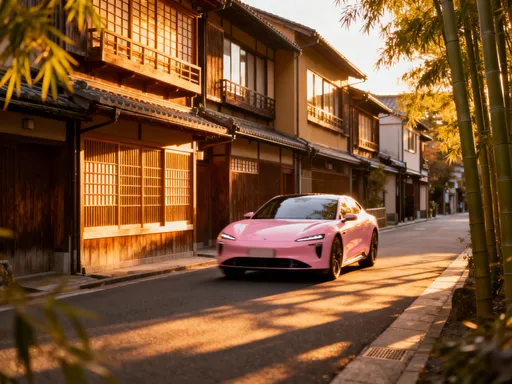
You know what? Everyone tells you to take trains and buses in Kyoto, but I rented a car—and it changed everything. Suddenly, I wasn’t just visiting temples and alleys—I was feeling the city’s rhythm. Hidden streets, quiet neighborhoods, unexpected views at golden hour—this is Kyoto most tourists never see. Driving gave me space, freedom, and a whole new perspective on urban Japan. Let me show you the side of Kyoto that moves beyond the guidebooks. It’s not about skipping the famous sites; it’s about discovering how they live within a breathing, evolving city. And sometimes, the quietest moments speak the loudest.
Breaking the Transit Myth: Why I Drove in Kyoto
From the moment I began planning my trip to Kyoto, the advice was unanimous: use public transportation. Trains, subways, and buses, they said, were the only sensible way to navigate the city. And for good reason—Kyoto’s transit system is efficient, clean, and well-connected. The subway lines glide beneath historic districts, while buses snake their way up to Kinkaku-ji and Fushimi Inari with clockwork precision. For millions of visitors each year, this network is the backbone of a smooth travel experience. But I wanted something different. I didn’t just want to follow the path. I wanted to wander off it.
Choosing to drive in Kyoto was less about rejecting public transit and more about reclaiming control over my journey. I wanted the ability to pause, to detour, to linger. I didn’t want to rush from one landmark to the next based on a timetable. Instead, I longed for the spontaneity of discovering a quiet shrine tucked behind a row of cypress trees or pulling over to admire the way morning light filtered through paper lanterns in a residential alley. A car offered that freedom. It gave me the power to move at my own rhythm, to respond to curiosity rather than schedules.
Many assume driving in Kyoto is impractical—too many narrow streets, too few parking spaces, too much congestion. But the reality is more nuanced. While central areas like downtown Kawaramachi or the approach to Kiyomizu-dera can be tight and challenging, other districts are far more accessible. I found that neighborhoods such as Sakyo, Yamashina, and even parts of Fushimi have well-maintained roads and available parking, especially during early mornings or weekdays. By starting my days early—often before 7 a.m.—I avoided peak traffic and secured parking spots near major sites before they filled up.
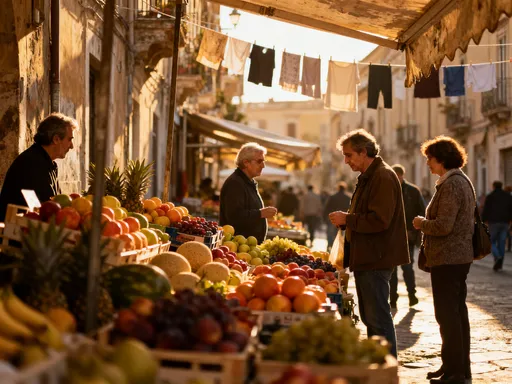
One of the most rewarding moments came on my second morning, when I drove past Nishiki Market just as vendors were setting up their stalls. The street was quiet, the air crisp with the scent of pickled vegetables and fresh fish. I parked a few blocks away in a small municipal lot and walked back, enjoying the city before the crowds arrived. That kind of experience—intimate, unhurried—is hard to achieve when you’re bound to a bus route or subway line. Driving didn’t isolate me from Kyoto; it deepened my connection to it.
The Urban Pulse: Kyoto’s Cityscape Beyond the Postcards
Kyoto is famous for its golden pavilions, vermilion gates, and serene Zen gardens. These images dominate travel brochures and social media feeds, and rightly so—they are breathtaking. But there’s another Kyoto that exists beyond the postcard-perfect scenes. It lives in the everyday flow of city life: the hum of bicycles on cobblestone lanes, the clatter of shop shutters opening in the morning, the soft glow of lanterns in quiet residential corners. This is the Kyoto that pulses beneath the surface, and driving allowed me to feel its rhythm in a way that public transit never could.
In neighborhoods like Kamigyo and Sakyo, the city reveals its layered identity. Here, centuries-old machiya townhouses stand shoulder to shoulder with sleek modern cafés and design-forward boutiques. Wooden lattices and tiled roofs blend seamlessly with glass facades and minimalist signage. It’s not a clash of old and new—it’s a conversation. A single block might feature a 200-year-old sake shop next to a specialty coffee bar, or a family-run tofu kitchen operating beside a co-working space for young creatives. These contrasts aren’t accidental; they reflect Kyoto’s quiet evolution, a city that honors tradition while embracing change.
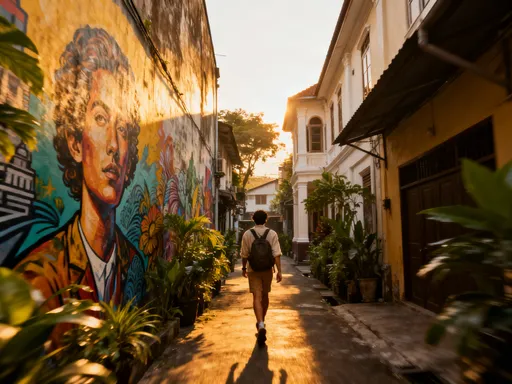
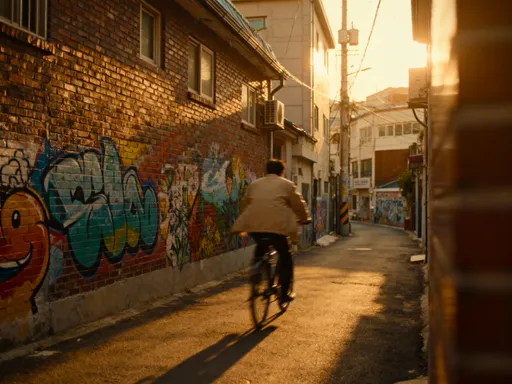
Driving through these areas, I noticed details I would have missed on foot or from a train window. I saw how light shifted across alley walls as the sun rose, casting long shadows from bamboo fences. I observed how delivery trucks navigated narrow lanes, their drivers exchanging nods with shopkeepers. I passed schoolchildren in navy uniforms walking home, their laughter echoing between buildings. These moments weren’t staged or curated—they were real, unscripted slices of urban life. The car became a moving observatory, offering a panoramic view of Kyoto as a living, breathing city rather than a museum of heritage.
What surprised me most was how spacious Kyoto felt from behind the wheel. Despite its density, the city has a certain openness—wide boulevards like Sanjo-dori and Horikawa-dori connect districts with ease, and tree-lined avenues provide a sense of calm. Even in the historic center, there are pockets of quiet where the pace slows and the noise fades. Driving allowed me to move between these zones fluidly, experiencing the city as a whole rather than a collection of isolated attractions.
Hidden Layers: Discovering Offbeat Neighborhoods by Car
One of the greatest advantages of driving in Kyoto was access to places that rarely appear on tourist maps. Without the constraints of transit routes, I ventured into residential districts where life unfolds at a gentler pace. Fushimi, best known for its sake breweries, has quiet backstreets where wooden shopfronts display hand-painted signs and bicycles lean against moss-covered walls. I drove along the banks of the Katsura River, where herons stood motionless in the shallows and fishermen cast their lines in silence. These were not destinations with entry fees or guidebook entries—they were moments of stillness, discovered simply by turning down an unmarked road.
Yamashina, located in the eastern part of the city, offered another kind of serenity. Nestled between hills and farmland, it feels more like a countryside town than a Kyoto ward. I followed riverside roads past rice paddies and small Shinto shrines, some no larger than a garden shed, marked only by a torii gate and a few stone lanterns. Children waved as they biked past on their way home from school, and elderly residents sat on wooden porches, sipping tea and watching the day unfold. There was no rush, no performance—just the quiet rhythm of daily life.
West Kyoto, particularly the area around Matsuo and Saga, revealed a different charm. Here, traditional homes are interspersed with modern housing developments, and small temples hide behind bamboo groves. I stumbled upon a quiet shrine dedicated to poetry, its grounds dotted with engraved stones bearing verses from classical literature. No tour groups, no souvenir stalls—just peace and the whisper of wind through leaves. These discoveries weren’t planned; they were gifts of spontaneity, made possible by the freedom of having a car.
Driving also allowed me to visit multiple neighborhoods in a single day without exhaustion. I could start with a morning stroll in Arashiyama, enjoy a late lunch in Rakusai, and end the day with a quiet drive through the northern hills as dusk settled. This kind of flexibility transformed my trip from a checklist of must-see sites into a fluid, organic exploration. I wasn’t just seeing Kyoto—I was living within it, even if only for a few days.
Parking & Navigation: The Real Logistics of Self-Driving in Kyoto
Of course, driving in Kyoto isn’t without its challenges. The city wasn’t built for cars—its layout dates back centuries, with narrow lanes and tight corners designed for foot traffic and bicycles. Navigating these streets requires patience, attention, and a good navigation system. I relied on a GPS with updated maps and real-time traffic data, which proved invaluable in avoiding one-way streets and restricted zones. Many areas, especially in central Higashiyama, have signs indicating vehicle restrictions, and it’s essential to respect them to avoid fines or getting stuck.
Parking was a bigger concern than I expected, but with planning, it was manageable. I used a combination of public parking lots, hotel garages, and street parking where permitted. Apps like Japan Parking Guide and Park24 helped me locate available spaces in real time, showing rates, hours, and even photos of lot entrances. I quickly learned that parking near major attractions fills up by mid-morning, so arriving early was key. For popular sites like Kinkaku-ji or the Golden Pavilion, I used large municipal lots on the outskirts and walked the last 10 to 15 minutes—a small trade-off for peace of mind.
One morning, I circled a block near Gion three times before finding a spot. It was frustrating in the moment, but it also gave me a chance to observe the neighborhood in a way I wouldn’t have otherwise. I noticed a tea master sweeping his shop’s entrance, a cat napping on a stone step, and the way sunlight caught the edge of a wooden balcony. That delay, though inconvenient, became a quiet highlight. It reminded me that travel isn’t always about efficiency—it’s about presence.
Another tip: many subway stations have connected parking facilities, especially in outer wards. I used these as hubs, parking at stations like Kitaoji or Yamashina and using local buses or short walks to reach nearby destinations. This hybrid approach balanced convenience with flexibility. And when in doubt, I asked for help. Locals were consistently kind, often using hand gestures or pulling out their own phones to guide me to the nearest lot. Their patience was a reminder that respect and courtesy go a long way in any culture.
Timing Is Everything: How Driving Altered My Daily Flow
One of the most profound shifts driving brought was in how I experienced time. On public transit, my days were shaped by departure times, transfer windows, and closing hours. I felt pressure to see as much as possible before the last train. But with a car, time became fluid. I could linger at a temple garden until the light turned golden, or drive to a hillside viewpoint just as the sun dipped below the mountains. I wasn’t chasing schedules—I was chasing moments.
I began structuring my days around light and mood rather than logistics. I visited Kinkaku-ji at sunrise, when the golden reflection shimmered on the pond and the grounds were nearly empty. I drove to the outskirts of the city to watch the morning mist rise over rice fields in Uzumasa. In the late afternoon, I sought out quiet cafés in residential areas, where I could sip matcha soft serve on a bench and watch the neighborhood unwind. These weren’t grand events—they were small, personal pleasures, made possible by the freedom to move when and where I pleased.
Evenings took on a new rhythm. Instead of returning to my hotel by 8 p.m. to avoid missing transit, I explored Kyoto after dark. I drove through the backstreets of Gion, where paper lanterns glowed softly and the sound of wooden geta echoed on stone. I found a small riverside park in Nakagyo Ward, parked by the water, and sat listening to the flow of the Takase River. The city at night has a different energy—calm, reflective, almost secretive. It’s a side of Kyoto few tourists witness, but one that feels deeply authentic.
This flexibility also allowed me to respond to weather and mood. On a rainy afternoon, I skipped a planned temple visit and instead drove to a quiet onsen facility in the northern hills, where I soaked in warm waters surrounded by forest. On a clear morning, I followed a scenic route along the Hozu River to Arashiyama, stopping to photograph herons and bamboo groves along the way. My itinerary wasn’t fixed—it was alive, adapting to the rhythm of the city and my own energy.
Urban Contrast: When Ancient Meets Modern on the Same Street
Driving through Kyoto offers a unique vantage point for witnessing the city’s layered identity. On foot, it’s easy to focus on a single temple or shopfront. But from the car, you see how these elements coexist, often within the same frame. I’ll never forget the image of a monk in saffron robes walking past a row of electric scooters charging at a docking station, or a centuries-old wooden tea house standing beside a sleek tram line. These contrasts aren’t jarring—they’re harmonious, a testament to Kyoto’s ability to evolve without losing its soul.
In the Shijo-Karasuma district, modern skyscrapers rise above traditional tile roofs, their glass surfaces reflecting centuries-old shrines. In residential areas, I saw families using smartphones to photograph cherry blossoms in front of 300-year-old gates. Even the vehicles themselves tell a story: vintage bicycles with wicker baskets, delivery vans with hand-painted logos, and the occasional classic car cruising through narrow lanes. These details, fleeting from a train window, become vivid when you’re moving at street level.
What struck me most was how seamlessly tradition and innovation coexist. A shop selling handmade fans might use Instagram to reach customers, or a family-run soba restaurant might accept digital payments while preserving recipes passed down for generations. These aren’t compromises—they’re adaptations, quiet acts of preservation in a changing world. Driving allowed me to see this balance not as a series of isolated moments, but as a continuous thread running through the city.
It also highlighted Kyoto’s commitment to sustainability. I noticed solar panels on temple roofs, electric taxis at train stations, and bike-sharing stations on nearly every corner. The city isn’t resisting modernity—it’s integrating it with care. As a visitor, I felt encouraged to do the same: to respect local customs while embracing new ways of exploring. My car, powered by a hybrid engine, became part of that balance—a tool that allowed deeper access while minimizing environmental impact.
Reimagining City Travel: Why Self-Driving Could Be Kyoto’s Next Secret
By the end of my trip, I realized that driving hadn’t just changed how I saw Kyoto—it had changed how I understood urban travel itself. For years, I’d believed that the best way to experience a city was on foot or by public transit. And in many ways, that’s true. But Kyoto taught me that there’s another path—one that combines independence with intimacy, mobility with mindfulness. Self-driving, when done responsibly, isn’t about speed or convenience. It’s about depth. It’s about the ability to pause, to observe, to connect.
I’m not suggesting that every visitor should rent a car. For first-time travelers, public transportation remains the most practical and efficient option. But for those returning to Kyoto, or for travelers seeking a more personal, immersive experience, driving offers a powerful alternative. It allows access to neighborhoods often overlooked, reveals hidden details, and transforms the journey itself into part of the destination.
With thoughtful planning—respecting parking rules, avoiding restricted zones, and traveling during off-peak hours—self-driving can coexist with sustainable tourism. It doesn’t have to mean congestion or environmental harm. In fact, by spreading visitors across a wider area, it may help reduce pressure on overcrowded sites. And for the traveler, it fosters a deeper appreciation of Kyoto not as a list of attractions, but as a living, evolving city.
Kyoto isn’t just a destination to visit—it’s a rhythm to feel. And sometimes, the best way to hear its heartbeat is from behind the wheel, moving quietly through its soul. The temples will always be there, the gardens meticulously raked, the lanterns softly glowing. But the in-between moments—the quiet streets, the unexpected views, the human connections—are what make the city come alive. And for those willing to explore beyond the rails, Kyoto reveals a secret worth unlocking.