Beyond the Tourist Trail: I Ate My Way Through Iceland’s Secret Golden Circle
You know what most people miss on the Golden Circle? The real food. While crowds chase waterfalls and geysers, I stumbled upon something wild—hidden kitchens, farm-fresh lamb, and skyr so creamy it’s criminal. This isn’t about tourist traps. It’s about steaming lamb hot pots in roadside farms, sour cream from free-roaming cows, and meeting locals who cook like their ancestors did. If you think Icelandic cuisine stops at hot dogs, trust me—you’ve barely scratched the surface. What I discovered wasn’t just a meal; it was a quiet revolution of taste, tradition, and connection, tucked between lava fields and hot springs. This journey redefined how I experience travel—not through checklist tourism, but through the intimate act of sharing food in places where it still means something deep, enduring, and profoundly human.
Rewriting the Golden Circle Narrative
The Golden Circle is one of Iceland’s most celebrated routes, drawing visitors to its trio of iconic landmarks: Þingvellir National Park, the erupting geysers at Haukadalur, and the thunderous Gullfoss waterfall. These sites are undeniably majestic, and for good reason. Yet, when thousands follow the same path daily, the experience can begin to feel more like a loop on a theme park map than a journey through living culture. What I found by veering slightly off this well-trodden trail was not a lesser experience—but a deeper one. Instead of rushing from landmark to landmark, I began to notice the subtle signs of daily life: a curl of smoke from a turf-roofed farmhouse, the scent of rye bread wafting from an open kitchen window, the sound of sheep bleating in a nearby pasture. These were not background details. They were invitations.
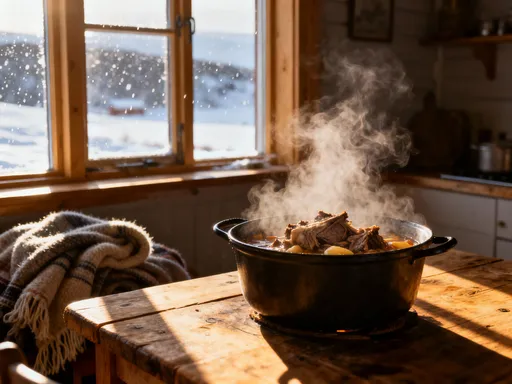
By shifting the focus from sightseeing to savoring, the Golden Circle transformed from a half-day tour into a multi-layered exploration of place. I started pulling over not for photo ops, but for the smell of baking bread or the sight of a hand-painted sign that read "Mat í Húsinu"—food in the house. These detours led me to family-run kitchens where meals were still prepared the way they had been for generations. One afternoon, after visiting Geysir, I followed a narrow gravel road marked only by tire tracks and the occasional nod from a passing farmer. Ten minutes later, I arrived at a small farmhouse where a woman in an apron handed me a bowl of lamb soup so rich and fragrant, I nearly forgot I had come for the landscape. In that moment, the landscape had come to me—simmered in broth, seasoned with thyme, served with a slice of warm, dark rye bread.
This version of the Golden Circle is not about checking off UNESCO sites or collecting Instagram likes. It’s about slowing down, tuning in, and letting the rhythm of rural life guide your journey. It’s understanding that in Iceland, where nature dominates and isolation shapes community, food is not an afterthought—it is central to how people live, survive, and connect. When you eat where locals eat, you stop being a spectator. You become part of the story, even if only for a single meal. The route remains the same, but the experience becomes profoundly personal. And that, more than any waterfall or fissure, is what makes the journey unforgettable.
Why Local Cuisine Defines Icelandic Identity
In Iceland, food is not merely a source of nourishment—it is a testament to resilience, adaptation, and cultural continuity. The island’s harsh climate, volcanic terrain, and geographic isolation have long dictated what can be grown, raised, and preserved. With only a short growing season and limited arable land, Icelanders have historically relied on what the land and sea provide: sheep, fish, dairy, and hardy root vegetables. Over centuries, this necessity gave rise to a cuisine that is both humble and deeply rooted in tradition. Every dish carries the imprint of survival, shaped by long winters, unpredictable weather, and a profound respect for natural resources.
Take lamb, for example. Icelandic sheep roam freely across the highlands for much of the year, grazing on wild thyme, moss, and birch shoots. This natural diet imparts a distinct, clean flavor to the meat—one that is lean, tender, and subtly herbal. It is no accident that lamb appears in so many traditional dishes, from slow-cooked stews to smoked sausages. The animal is not just a source of protein; it is a symbol of self-reliance and seasonal rhythm. Similarly, dairy plays a crucial role. Cows feed on grass rich in minerals from volcanic soil, producing milk with a unique richness. This is the foundation of skyr, the thick, protein-packed yogurt that has been part of the Icelandic diet for over a thousand years. Far from the sweetened, flavored versions found in supermarkets abroad, authentic skyr is tangy, dense, and deeply satisfying—often served with a drizzle of wild bilberry jam or a sprinkle of granola made from locally grown oats.
Even preserved foods, often misunderstood by outsiders, tell a story of ingenuity. Fermented shark, or hákarl, is the most infamous example. While its pungent ammonia-rich smell can be overwhelming, it reflects a historical need to preserve meat in the absence of refrigeration. Today, it is more of a cultural curiosity than a daily staple, often sampled during festivals rather than served at home. More representative of everyday eating are dishes like plokkfiskur, a comforting fish stew made with cod, potatoes, and onions, or hverabrauð, geothermally baked rye bread, which emerges from the ground with a molasses-like sweetness after being buried near a hot spring for nearly a day. These foods are not exotic for the sake of novelty—they are the result of living in harmony with a demanding environment.
What becomes clear when you eat your way through Iceland is that the cuisine is not about extravagance. It is about integrity. Each ingredient has a purpose, each method a history. To taste Icelandic food is to understand how a people have learned to thrive in one of the most remote corners of the world. It is a cuisine born of limitation, refined by time, and sustained by pride.
The Hidden Kitchens You Won’t Find on Maps
Some of the most memorable meals I’ve ever eaten were in places that don’t appear on any official tourism website. These are not fine dining establishments with curated tasting menus or polished service. They are farm kitchens, village halls, and roadside cafés where meals are served on chipped ceramic plates and water comes from a shared pitcher on the table. What they lack in luxury, they make up for in authenticity. These hidden kitchens are the beating heart of rural Iceland, where food is still prepared with care, shared with generosity, and enjoyed without pretense.
One such place is a family-run café near Laugarvatn, nestled between rolling hills and a glassy lake. The owners, a husband-and-wife team in their sixties, smoke their own cheese over birch wood, using a small outdoor smoker behind their house. The result is a creamy, smoky gouda-like cheese that pairs perfectly with dark rye bread and a glass of cold milk from their own cows. There’s no menu board, only a handwritten list taped to the refrigerator. You sit at a wooden table, maybe share a smile with another guest, and when you leave, you often do so with a small paper bag of leftover cheese and a wave from the dog by the door.
Another unforgettable stop was in Flúðir, a quiet farming village known for its geothermal activity. Here, a local baker has been making hverabrauð—geothermal rye bread—for over thirty years. She buries dough-filled containers in the hot sand near a natural spring, leaving them to bake slowly overnight. The bread that emerges is dense, moist, and faintly sweet, with a texture that lingers on the tongue. She sells it from her home, often still warm, wrapped in cloth. Tourists are welcome, but she doesn’t cater to crowds. There’s no online booking, no Instagrammable setup—just bread, made the same way her grandmother taught her.
How do you find places like these? They don’t advertise. They don’t need to. Instead, look for clues: a tractor parked outside a house with a hand-painted sign, the scent of baking bread carried on the wind, or a cluster of locals gathered at a small shop in the afternoon. Often, these kitchens operate on trust and word of mouth. A simple "Takk" when you enter, a willingness to try what’s offered, and a respectful demeanor go a long way. These are not performances for tourists. They are real moments of community, where food is both a gift and a connection.
Farm-to-Table, the Icelandic Way
In much of the world, "farm-to-table" has become a marketing slogan—a trendy phrase used to describe upscale restaurants sourcing local ingredients. In Iceland, it is simply the way things have always been done. When you sit down to a meal in a rural farmhouse, there’s a strong chance the lamb on your plate was grazing in the field you passed an hour ago. The potatoes were harvested that morning. The milk in your coffee came from cows that walked the same hills as the sheep. This isn’t a concept. It’s a reality shaped by necessity, seasonality, and a deep respect for the land.
I visited a working farm near Hveragerði, where the family raises sheep, grows root vegetables in geothermally heated greenhouses, and keeps a small herd of dairy cows. The owner, a man in his fifties with weathered hands and a quiet demeanor, took me on a tour before lunch. We walked through the pasture, where lambs bounded through the grass, and into the greenhouse, where carrots and potatoes grew in rich, dark soil. He explained how the volcanic heat beneath the farm allows them to extend the growing season, but even so, they must plan carefully. "We eat what the land gives us, when it gives it," he said simply. "That’s how it’s always been."
Later, we sat down to a meal of lamb soup, steamed potatoes, pickled beets, and fresh bread. The soup was made from a leg of lamb from one of the animals we had seen earlier. It had simmered for hours with onions, carrots, and thyme, filling the kitchen with an aroma that felt like warmth itself. As we ate, the family shared stories—about the sheep roundup in autumn, the challenges of winter storms, and the joy of a good harvest. There was no rush, no need to move on to the next attraction. This was not a transaction. It was hospitality in its purest form.
For travelers, visiting such farms requires mindfulness. These are not attractions; they are homes and workplaces. Always ask permission before entering private land, and respect any boundaries. Many farms welcome guests during certain times of year, especially in summer, but it’s best to call ahead or check local listings. When you are invited, show gratitude—not just with words, but with presence. Ask questions, listen, and be open to what is offered. And never assume that because something is shared with you, it is meant for mass consumption. The beauty of these experiences lies in their intimacy, not their scalability.
The Drinks That Warm You From the Inside
In a country where winter darkness lasts for months and the wind cuts through layers of wool, warmth is more than a comfort—it is a necessity. And while food provides sustenance, it is often the drinks that deliver the deepest sense of comfort. Icelandic beverages are not about indulgence; they are about resilience, ritual, and connection. From strong black coffee to malted ale and the infamous brennivín, each drink carries its own story and purpose.
Coffee is a cornerstone of daily life. Brewed dark and strong, it is served at nearly every meal, offered to guests upon arrival, and shared during long conversations. In rural homes, the coffee pot is rarely empty. It is a symbol of welcome, a way of saying "you are safe here." I remember one evening at a guesthouse near Selfoss, where a family invited me to join them after dinner. We sat around the kitchen table, mugs in hand, talking about everything from sheep farming to the Northern Lights. The coffee kept coming, and with it, a growing sense of belonging.
Then there is brennivín, a clear schnapps flavored with caraway seeds, often called "Black Death" for its potency. It is traditionally served chilled and sipped slowly, often alongside fermented shark during the midwinter festival of Þorrablót. While few drink it for pleasure, many value it for its role in tradition. One night, after a homemade meal at a farmhouse, the host brought out a bottle. "We don’t drink this to get drunk," he said. "We drink it to remember." We raised our glasses in silence, then sipped. It was sharp, medicinal, but not unpleasant. What mattered was not the taste, but the act—the quiet acknowledgment of shared history and endurance.
Local ales and craft beers have also gained popularity in recent years. Breweries in towns like Borgarnes and Hveragerði produce malty, full-bodied ales that pair well with rich foods. These are not mass-market lagers, but small-batch brews that reflect local tastes and ingredients. Whether enjoyed at a pub or shared among friends after a long day of travel, they add another layer to the sensory experience of Iceland—one that lingers in both body and memory.
Balancing Tourism and Authenticity
As Iceland’s popularity as a travel destination continues to grow, so does the pressure on its rural communities. The Golden Circle, once a quiet loop through the countryside, now sees thousands of visitors each week. While tourism brings economic benefits, it also risks turning authentic experiences into staged performances. Some farm kitchens that once served only locals now offer "traditional meals" on plastic trays to tour groups. The food may look the same, but the spirit behind it can feel diluted—prepared not for connection, but for consumption.
The challenge, then, is to engage with these culinary traditions in a way that honors their origins. Authenticity cannot be mass-produced. It thrives in small gestures: a shared meal, a conversation, a moment of genuine exchange. When choosing where to eat, look beyond the online reviews and branded signage. Seek out places where the owners still cook for themselves first, where the menu changes with the season, and where you are treated as a guest, not a customer.
Supporting local farms and family-run kitchens is one of the most meaningful ways to travel responsibly. Your presence, when respectful, can help sustain these traditions. But it’s equally important to recognize when a place is being overwhelmed. If a farmhouse that once welcomed a few visitors now hosts buses of tourists, it may be time to look elsewhere. The goal is not to exploit charm, but to preserve it.
True authenticity is not about finding the "most untouched" place. It is about approaching each encounter with humility, curiosity, and gratitude. It is understanding that you are a guest in someone’s life, even if only for an hour. When you eat with this mindset, you don’t just taste the food—you feel the weight of its history and the warmth of its offering.
How to Plan Your Own Food-Focused Detour
This kind of travel does not follow a rigid itinerary. It requires flexibility, openness, and a willingness to embrace the unexpected. But that doesn’t mean it can’t be planned. With a few thoughtful strategies, you can design a journey that prioritizes connection, flavor, and authenticity.
First, rent a car. Public transportation in rural Iceland is limited, and the best culinary discoveries happen off the main roads. A personal vehicle gives you the freedom to follow your nose—literally. Pack a cooler in the trunk for souvenirs: a wheel of smoked cheese, a jar of homemade jam, a loaf of warm rye bread. These are not just treats; they are edible memories.
Time your visit around local events. The autumn sheep roundup, or réttir, is a centuries-old tradition where farmers on horseback gather their flocks from the highlands. Many communities celebrate with feasts, offering visitors a chance to taste fresh lamb and join in the festivities. Similarly, local markets and harvest festivals in late summer provide access to seasonal produce and handmade goods.
Learn a few basic Icelandic phrases. "Góðan daginn" (good day), "Takk fyrir" (thank you), and "Mat er tilbúinn?" (is the food ready?) can go a long way in building rapport. Icelanders appreciate the effort, even if your pronunciation is imperfect. A smile and a respectful attitude often open doors more than any guidebook.
Finally, travel with intention. Don’t rush. Let a meal stretch into an afternoon. Allow conversations to unfold naturally. Say yes to unexpected invitations. The most meaningful experiences are rarely the ones you plan—they are the ones that find you when you’re paying attention.
The Golden Circle is more than a tourist route. It is a living landscape, shaped by fire, ice, and the quiet resilience of its people. When you eat your way through it, you don’t just see Iceland—you taste it, feel it, and carry it with you long after you’ve left. And that, perhaps, is the most authentic souvenir of all.