You Won’t Believe How These Food Combos Slowed My Aging
Aging quietly reshapes our bodies—slower recovery, duller skin, fading energy. But what if the key to slowing it down isn’t a miracle pill, but something we already do every day? I learned the hard way that not all healthy foods work better together; some combos actually block nutrients, while others team up to fight aging from within. After months of testing and research, I’ve found powerful dietary pairings that make a real difference. Let’s explore how smart food combinations can transform how you feel and age.
The Hidden Truth About Aging and Nutrition
Aging is a natural biological process, but its pace and impact vary greatly from person to person. At the cellular level, aging is driven by oxidative stress and chronic inflammation—processes that damage DNA, proteins, and cell membranes over time. Free radicals, unstable molecules produced during normal metabolism and in response to environmental stressors like pollution and UV exposure, contribute significantly to this wear and tear. While we can’t stop time, we can influence how our bodies respond to it. Nutrition plays a foundational role in supporting cellular repair, reducing inflammation, and maintaining energy levels.
Many women in their 30s, 40s, and 50s notice subtle but meaningful changes: skin loses elasticity, joints feel stiffer, and fatigue becomes more persistent. These signs aren’t just cosmetic—they reflect internal shifts in hormone balance, metabolism, and nutrient absorption. The good news is that food can act as both prevention and support. Certain nutrients, such as antioxidants, omega-3 fatty acids, and polyphenols, have been shown in scientific studies to protect cells and support longevity. However, simply eating 'healthy' isn’t always enough. The way nutrients interact with one another in meals determines how well your body can use them.
For example, eating vitamin C-rich foods alongside plant-based iron sources can significantly improve iron absorption, which is crucial for energy and preventing fatigue. On the other hand, consuming calcium-rich foods at the same time may inhibit that benefit. This is where the concept of food synergy becomes essential. Rather than focusing on isolated superfoods, the emphasis should be on how foods work together. The goal isn’t to achieve perfection, but to make consistent, informed choices that support long-term vitality. When we understand the science behind nutrient interactions, we gain a practical tool for aging with greater strength and resilience.
Why Food Pairing Matters More Than You Think
Most people think about health in terms of individual foods: oatmeal for fiber, salmon for omega-3s, blueberries for antioxidants. While these are excellent choices, the real magic often happens in the combination. Nutrient synergy—the idea that certain nutrients enhance each other’s absorption and effectiveness—has been supported by decades of nutritional research. For instance, vitamin C can increase non-heme iron absorption from plant sources by up to three times. This means pairing a spinach salad with lemon juice isn’t just tasty—it’s scientifically smarter.
Yet many common eating habits unintentionally reduce nutrient uptake. Take the popular breakfast of fortified cereal with milk and a glass of orange juice. While this seems balanced, the calcium in milk can interfere with the iron in the cereal, reducing its bioavailability. Similarly, drinking tea or coffee with meals can hinder the absorption of iron and other minerals due to tannins and caffeine. These interactions don’t mean you must eliminate these foods, but rather time them wisely—such as waiting an hour after a meal to enjoy your tea.
Another overlooked factor is fat. Many essential nutrients—like vitamins A, D, E, and K, as well as antioxidants such as lycopene and beta-carotene—are fat-soluble, meaning they need dietary fat to be absorbed. Eating a salad of carrots, tomatoes, and leafy greens without any oil limits the body’s ability to access these nutrients. Adding a drizzle of olive oil or a handful of nuts transforms the meal into a far more effective source of nourishment. This is especially important as we age, since nutrient absorption naturally declines over time.
Understanding these dynamics empowers us to make small, sustainable changes. It’s not about strict rules or eliminating favorite foods, but about making intentional pairings that maximize benefits. Over time, these choices add up, supporting energy, immunity, and overall well-being. When we treat meals as opportunities for synergy rather than just sustenance, we take a proactive step toward aging with greater health and confidence.
Top Anti-Aging Food Combos That Actually Work
Science has identified several food pairings that enhance nutrient absorption and support cellular health. These combinations are not only effective but also simple to incorporate into daily meals. By focusing on synergy, you can amplify the anti-aging benefits of your diet without drastic changes.
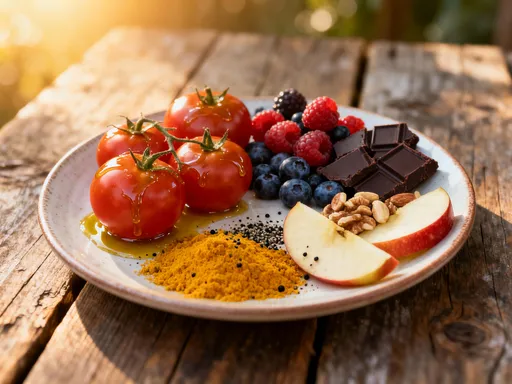
The first powerful pairing is **tomatoes and olive oil**. Tomatoes are rich in lycopene, a potent antioxidant linked to reduced risk of heart disease and certain cancers. Lycopene is fat-soluble, meaning it requires fat for optimal absorption. Cooking tomatoes increases lycopene availability, and adding extra virgin olive oil boosts absorption even further. A simple dish of roasted tomatoes drizzled with olive oil isn’t just delicious—it’s a science-backed strategy for supporting skin health and reducing oxidative damage.
Next, consider **berries and dark chocolate**. Both are rich in antioxidants, particularly flavonoids, which help neutralize free radicals and support blood vessel health. When eaten together, their combined effect is greater than either alone. A small handful of blueberries or raspberries with a square of dark chocolate (70% cocoa or higher) makes a satisfying, nutrient-dense snack. This combo not only satisfies sweet cravings but also supports brain health and may improve skin elasticity over time.
Another well-researched pairing is **turmeric, black pepper, and a healthy fat**. Curcumin, the active compound in turmeric, has strong anti-inflammatory properties. However, it’s poorly absorbed on its own. Piperine, found in black pepper, can enhance curcumin absorption by up to 2,000%. Adding a pinch of black pepper and a source of fat—such as coconut oil or avocado—to turmeric-based dishes unlocks its full potential. Try a golden milk latte made with warm almond milk, turmeric, black pepper, and a teaspoon of MCT oil for a soothing, anti-aging evening drink.
**Fatty fish and leafy greens** offer a heart- and brain-protective duo. Fatty fish like salmon, mackerel, or sardines are rich in omega-3 fatty acids, which reduce inflammation and support cognitive function. Leafy greens such as kale, spinach, and Swiss chard provide vitamin K, which plays a crucial role in blood clotting and bone health. When eaten together, these foods support cardiovascular health and may help maintain mental clarity with age. A simple meal of grilled salmon served with a sautéed kale salad dressed in lemon and olive oil combines multiple synergistic nutrients in one plate.
Finally, **nuts and apples** form a powerful combination for cellular protection. Apples contain quercetin, a flavonoid with antioxidant and anti-inflammatory effects. Nuts, particularly walnuts and almonds, provide healthy fats and vitamin E, which protect cell membranes from oxidative damage. Eating an apple with a small handful of nuts not only stabilizes blood sugar but also enhances the body’s defense against cellular aging. This snack is easy to pack, requires no preparation, and supports sustained energy throughout the day.
Foods That Cancel Each Other Out (And What to Do Instead)
Just as some foods enhance each other, others can interfere with nutrient absorption when eaten together. These interactions, known as anti-nutrient effects, don’t mean certain foods are bad—they simply require mindful timing. Being aware of these combinations allows you to make small adjustments that improve overall nutrient uptake.
One of the most common conflicts is between **calcium and iron**. Calcium, found in dairy products, fortified plant milks, and some leafy greens, can inhibit the absorption of non-heme iron from plant sources like beans, lentils, and spinach. For women who may already be at risk for iron deficiency, especially during perimenopause or after heavy periods, this is worth noting. The solution isn’t to avoid calcium, but to separate high-calcium and high-iron meals by a few hours. For example, enjoy your spinach and chickpea salad at lunch without cheese, and save the yogurt for a snack later in the day.
Similarly, **coffee and tea** can reduce the absorption of iron and other minerals due to their polyphenol content. Drinking a cup of coffee with breakfast may diminish the benefits of iron-fortified cereal or eggs. To minimize this effect, wait at least 45 minutes to an hour after eating before enjoying your coffee or tea. This simple habit can make a meaningful difference, especially for those with lower iron stores.
Another consideration involves **raw cruciferous vegetables and thyroid function**. Vegetables like broccoli, cabbage, and Brussels sprouts contain goitrogens, compounds that can interfere with iodine uptake in the thyroid when consumed in very large amounts—particularly in raw form. For most healthy individuals, this is not a concern, but women with existing thyroid conditions may benefit from lightly cooking these vegetables. Steaming or sautéing reduces goitrogenic activity while preserving most nutrients. A serving of roasted broccoli with olive oil and garlic is both delicious and easier on the thyroid than a large raw cabbage salad.
Phytates, found in whole grains and legumes, can also bind to minerals like zinc and iron, reducing their absorption. Soaking, fermenting, or sprouting these foods can reduce phytate levels and improve nutrient availability. For example, choosing sprouted grain bread or soaking beans before cooking enhances their nutritional value. These traditional preparation methods, used for generations, are now supported by modern science as ways to improve mineral uptake.
The goal isn’t to create fear around food, but to promote balance and awareness. No single meal needs to be perfect. Over the course of a day or week, thoughtful timing and preparation can significantly improve how your body uses nutrients. By making small, informed choices, you support long-term health without feeling restricted.
Building a Daily Anti-Aging Plate
Creating meals that support healthy aging doesn’t require complicated recipes or exotic ingredients. The key is variety, color, and intentional pairing. A balanced plate should include a mix of vegetables, quality protein, healthy fats, and fiber-rich carbohydrates. By applying the principles of nutrient synergy, you can design meals that are both satisfying and protective.
Start with **breakfast**. Instead of a plain bowl of oatmeal, elevate it with berries, a sprinkle of ground flaxseed, and a few chopped walnuts. The berries provide antioxidants, flaxseed offers fiber and plant-based omega-3s, and walnuts contribute healthy fats that help absorb fat-soluble nutrients. A drizzle of honey or a dash of cinnamon adds flavor without spiking blood sugar. This meal supports energy, digestion, and cellular health—all in one bowl.
For **lunch**, consider a large salad with mixed greens, chickpeas, roasted tomatoes, cucumber, and a lemon-olive oil dressing. Add a sprinkle of sunflower seeds for crunch and extra vitamin E. The vitamin C from lemon enhances iron absorption from chickpeas, while the olive oil helps your body use the lycopene in tomatoes. This combination delivers sustained energy and supports skin and immune health. If you prefer a warm meal, a lentil and vegetable soup with a side of whole grain bread (preferably sprouted) is another excellent option.
**Dinner** can feature grilled salmon or tofu with a side of sautéed spinach and quinoa. The omega-3s in salmon support brain health, while the vitamin K in spinach contributes to bone strength. Quinoa provides complete plant-based protein and fiber. A side of roasted carrots or sweet potatoes adds beta-carotene, which is best absorbed with the fat from the salmon or a drizzle of oil. This meal is both nourishing and easy to prepare, making it ideal for busy evenings.
Don’t forget **snacks**. An apple with almond butter, a handful of mixed nuts with dried cranberries, or Greek yogurt with chia seeds are all smart choices. These combinations balance protein, fat, and fiber, helping to maintain steady energy and reduce cravings. The goal is to eat every few hours to support metabolism and prevent blood sugar swings, which can accelerate aging over time.
Beyond the Plate: Lifestyle Synergy
Nutrition works best when supported by other healthy habits. Sleep, stress management, and physical activity all influence how your body ages and how well it uses nutrients. Poor sleep, for example, increases oxidative stress and inflammation, counteracting the benefits of a healthy diet. Aim for 7–8 hours of quality sleep per night by maintaining a consistent bedtime, limiting screen time before bed, and creating a calming evening routine.
Chronic stress raises cortisol levels, which can lead to weight gain, weakened immunity, and accelerated cellular aging. Simple practices like deep breathing, gentle yoga, or spending time in nature can help regulate stress hormones. Even a 10-minute walk after dinner can improve digestion, lower blood sugar, and support mental well-being. Movement doesn’t have to be intense—consistent, moderate activity is what matters most.
Hydration is another often-overlooked factor. Water supports every bodily function, from detoxification to skin elasticity. Herbal teas, infused water, and water-rich foods like cucumbers and melons can help maintain hydration, especially as the sense of thirst diminishes with age. Limiting added sugar and processed foods also reduces inflammation and supports stable energy levels.
When diet, sleep, movement, and stress management work together, the result is greater than the sum of its parts. This holistic approach creates a foundation for long-term vitality. You’re not just eating for today—you’re investing in how you’ll feel five, ten, or twenty years from now.
Realistic Expectations and Long-Term Mindset
It’s important to have realistic expectations. These food combinations won’t erase wrinkles overnight or make you look decades younger. But they can help you feel stronger, more alert, and more energized. I didn’t wake up looking 10 years younger, but I noticed I had more stamina, my skin felt brighter, and I recovered faster from daily fatigue. The changes were subtle at first, but over months, they became impossible to ignore.
Healthy aging isn’t about chasing perfection—it’s about consistency. No single meal defines your health. It’s the pattern over time that matters. Some days you’ll eat perfectly; others, you’ll reach for comfort food. That’s normal. The goal is progress, not perfection. Small, sustainable changes are more effective than short-term extreme diets that are hard to maintain.
If you have underlying health conditions, such as diabetes, thyroid disorders, or digestive issues, it’s wise to consult a healthcare provider or registered dietitian before making significant dietary changes. Nutrition is powerful, but it’s one part of a larger picture. Your doctor can help you tailor these principles to your individual needs.
Ultimately, aging with grace means making choices that honor your body. When you eat with intention and awareness, you’re not just feeding hunger—you’re nurturing your future self. These food combinations are not quick fixes, but daily acts of care that add up to a longer, healthier, and more vibrant life.
Aging with grace isn’t about chasing youth—it’s about nourishing your body wisely. These food combinations aren’t quick fixes, but powerful daily choices that add up. When you eat with intention and synergy, you’re not just feeding hunger—you’re fueling a longer, healthier, and more vibrant life.