How Moving Together Transformed Our Family’s Energy and Connection
Have you ever noticed how stress builds silently in family life? I did—until we started moving together. Exercise didn’t just change our bodies; it reshaped our relationships. No magic, no extreme routines—just simple, shared movement that brought us closer. This is how small steps created big shifts in our family’s harmony, energy, and daily joy. What began as an attempt to combat fatigue turned into a deeper transformation: we rediscovered each other. Movement became our bridge, not only to better health but to more meaningful connection, one walk, stretch, or dance break at a time.
The Breaking Point: When Our Family Lost Sync
There was a time when our home felt more like a transit station than a sanctuary. Each family member moved through the same spaces, but rarely together. Mornings were a blur of packed lunches and forgotten homework. Evenings unfolded in silence, with everyone retreating to separate corners—kids on tablets, parents on the couch scrolling through emails or news feeds, too drained to speak. The dining table, once a place of laughter and stories, became a functional pit stop. We were living under one roof, but emotionally, we were miles apart.
One night stands out in memory. It was a Tuesday, unremarkable except for the heaviness in the air. The children barely looked up from their devices during dinner. My spouse and I exchanged tired glances, too exhausted to initiate conversation. Afterward, I found myself standing in the kitchen, staring at a sink full of dishes, wondering when we had stopped talking to each other. That moment wasn’t about the dishes—it was about the absence of shared rhythm. We had become a collection of individuals surviving the same schedule, not a family thriving together.
Looking back, the root of our disconnect wasn’t just busyness—it was stillness. Our lives had become overwhelmingly sedentary. Work demands, screen time, and the convenience of digital entertainment had replaced physical engagement. We weren’t just sitting more; we were feeling more anxious, irritable, and emotionally distant. Research confirms this pattern: prolonged inactivity is linked not only to physical health decline but also to increased stress and reduced emotional resilience. When the body is stagnant, so often is the spirit. Our lack of movement wasn’t just affecting our energy levels—it was eroding our capacity to connect.
Why Movement Matters More Than We Think
At first, the idea of solving emotional disconnection through physical activity seemed almost too simple. Could walking or stretching really repair strained family dynamics? As it turns out, science supports the profound link between movement and emotional well-being. Physical activity triggers the release of key neurochemicals—endorphins, serotonin, and dopamine—that regulate mood, reduce anxiety, and enhance feelings of pleasure and satisfaction. These are not just temporary boosts; they create a more stable internal environment for healthier interactions.
When family members move together, they experience these benefits simultaneously. This shared physiological shift can ease tension and open space for genuine communication. For example, a walk after dinner doesn’t just aid digestion; it lowers cortisol, the stress hormone, making it easier to listen, share, and resolve minor conflicts without escalation. Studies show that even light to moderate physical activity can improve emotional regulation in both adults and children, leading to fewer outbursts and more patience in daily interactions.
Importantly, the goal isn’t fitness performance. It’s not about achieving a certain number of steps or mastering complex routines. The real benefit lies in the act of moving together—creating moments of shared presence. When families engage in joint physical activity, they synchronize their nervous systems. Breathing patterns, heart rates, and even emotional rhythms begin to align. This biological harmony fosters a sense of safety and belonging, which is essential for strong family bonds. Movement, in this context, becomes a form of nonverbal communication—a way of saying, “I’m here with you,” without uttering a word.
Additionally, regular shared movement helps break the cycle of sedentary behavior that dominates modern family life. Children who grow up seeing physical activity as a normal, enjoyable part of daily life are more likely to maintain healthy habits into adulthood. By modeling movement as connection rather than obligation, parents lay the foundation for lifelong well-being. The science is clear: movement is not just good for the body; it is a powerful tool for emotional cohesion and family resilience.
The First Try: How We Started Small (And Almost Quit)
Our first attempt at moving together was far from graceful. We decided to start with a 10-minute evening walk after dinner, hoping it would be a gentle introduction. The reality was awkward. The kids complained it was too dark, too cold, or simply “boring.” My spouse walked ahead, headphones in, lost in thought. I trailed behind, trying to encourage the younger one, who kept stopping to examine bugs or tie a shoe that wasn’t loose. We returned home feeling more frustrated than refreshed. That night, I nearly gave up, convinced we weren’t the “outdoor family” type.
The problem wasn’t the walk itself—it was our expectations. We had approached it like a task to complete, not an experience to enjoy. We were focused on doing it “right” instead of being present in the moment. Like many families, we had internalized the idea that physical activity had to be intense, structured, or goal-oriented to count. But real change rarely begins with grand gestures. It starts with imperfect, inconsistent efforts that gradually build momentum.
What saved us was a shift in mindset. Instead of aiming for a daily walk, we began experimenting with even smaller actions—things that required no preparation or commitment. We tried a five-minute dance break during commercial pauses while watching a show. We played “stretch tag” before bedtime, where whoever was “it” led a silly stretch. These moments felt less like exercise and more like play, which made them sustainable. The key lesson was that consistency matters far more than intensity. Ten seconds of movement, repeated regularly, is more transformative than an hour done once and never repeated. By releasing the pressure to perform, we opened the door to genuine enjoyment.
Finding Our Rhythm: The 3 Types of Movement That Actually Stuck
Over time, we discovered a combination of activities that fit naturally into our lives. These weren’t drastic changes but small, repeatable practices that gradually became part of our family culture. We categorized them into three types: daily micro-movements, weekly family adventures, and shared home activities. Each played a unique role in rebuilding our connection.
The first category, daily micro-movements, became our foundation. These were brief, spontaneous bursts of activity woven into existing routines. A five-minute dance party after school helped the kids transition from classroom energy to home calm. Post-dinner stretches around the living room turned into a ritual, often accompanied by laughter as someone inevitably fell over. We used timers or songs to keep it light—three minutes of jumping jacks, a quick yoga flow, or a game of “freeze dance.” Because these moments were short and fun, resistance was minimal. Over time, the children began requesting them, showing how even small actions, when repeated, can shape behavior.
The second type, weekly family adventures, provided a sense of anticipation and shared effort. These weren’t elaborate trips but simple outings that got us outside and moving. A Saturday morning hike in a local nature trail, a bike ride through a nearby park, or a game of tag at the playground—these experiences created lasting memories. The physical challenge of climbing a hill or racing to a finish line fostered teamwork and encouragement. Unlike screen-based entertainment, these activities required full presence, allowing us to talk, laugh, and observe the world together. The shared accomplishment—reaching the top, finishing the trail—strengthened our sense of unity.
The third category, shared home activities, transformed everyday chores into opportunities for connection. Gardening became a favorite—pulling weeds, planting seeds, and watering plants required bending, lifting, and squatting, all while talking and sharing stories. Cleaning the house with music playing turned into a group effort, with everyone moving to the beat. Indoor yoga sessions on rainy days, led by a simple video, helped us wind down while staying active. These activities blurred the line between responsibility and recreation, showing that movement doesn’t require special equipment or locations. What mattered was doing it together.
The Ripple Effects: What Changed Beyond Fitness
The most surprising outcomes weren’t physical. Yes, we slept better, had more energy, and felt stronger. But the deeper changes were emotional and relational. Within weeks, we noticed fewer arguments. The children seemed calmer, less prone to meltdowns after school. My spouse and I found ourselves speaking more gently, listening more patiently. It was as if the shared movement had created a buffer against daily stress, making it easier to navigate challenges without conflict.
Spontaneous conversations began to flourish. On walks, the kids opened up about school, friendships, and fears in ways they never did at the dinner table. Without the pressure of eye contact or direct questioning, they felt freer to share. These moments of vulnerability deepened our understanding of each other. Laughter became more frequent—not forced, but genuine, often sparked by a silly stretch or an unexpected tumble during a game. Joy, once scarce, became a regular presence in our home.
One of the most meaningful shifts was seeing the children take initiative. Instead of waiting to be prompted, they started suggesting activities: “Can we dance before homework?” or “Let’s go for a walk after dinner!” This showed that movement had become internalized as a positive, normal part of life. They weren’t just participating—they were leading. As parents, we realized we weren’t just teaching healthy habits; we were modeling a way of being that valued presence, connection, and care for the body. These behaviors, learned in childhood, have the power to shape a lifetime of well-being.
Making It Work: Practical Tips for Busy Households
For families overwhelmed by schedules, the idea of adding one more thing can feel impossible. The key is to integrate movement into what you’re already doing, not treat it as a separate task. Linking activity to existing routines increases the likelihood of follow-through. For example, a five-minute stretch after brushing teeth in the morning, a dance break during TV commercials, or a walk after dinner—these small pairings make movement feel natural, not burdensome.
Flexibility is essential. Some days, a full walk won’t happen. That’s okay. A one-minute wiggle session or a quick game of “follow the leader” up the stairs still counts. The goal is consistency, not perfection. Avoid tracking steps or setting performance goals, especially with children. This can create pressure and shift the focus from joy to obligation. Instead, celebrate effort and presence. Say, “I love how we moved together,” rather than, “We did 10 minutes today.”
Inclusivity matters. Choose activities that everyone can join, regardless of age or ability. A walk, a dance party, or gardening can be adapted for different energy levels. Let each person contribute—whether by picking the music, leading a stretch, or choosing the route. This fosters ownership and reduces resistance. If someone is reluctant, don’t force it. Invite gently: “We’re going to dance for three songs—come if you want.” Often, seeing others enjoy themselves is enough to draw them in.
Finally, keep the emphasis on fun. Movement that feels like play is more likely to stick. Use humor, music, and creativity to make it engaging. Turn chores into games, invent silly movements, or create a family playlist of energizing songs. When movement is associated with joy, it becomes something to look forward to, not endure. Over time, these small choices accumulate into a lifestyle of connection and vitality.
A New Normal: How Movement Became Our Family Language
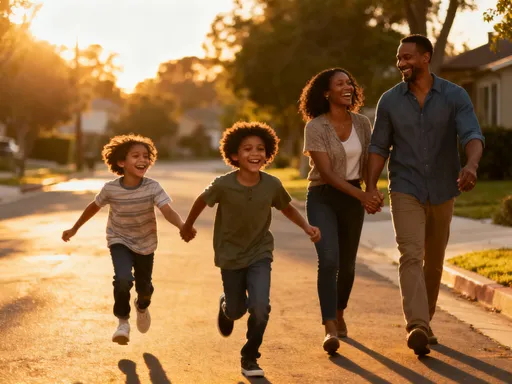
Today, movement is no longer something we “do”—it’s part of who we are. It’s how we reconnect after a long day, how we celebrate a good mood, how we comfort each other during tough times. When tension rises, someone might say, “Let’s go outside for a minute,” and without debate, we head out, walking in silence or chatting as we move. These moments are not about exercise; they are about presence. They are quiet acts of care, a way of saying, “I’m with you.”
This practice has become a shared value, not just a habit. It’s taught us that connection doesn’t always require deep conversation or structured quality time. Sometimes, it’s built step by step, stretch by stretch, in the simple act of moving side by side. We’ve learned that love isn’t only expressed in words or grand gestures—it lives in the small, consistent choices we make to show up for each other.
Any family can begin this journey, regardless of fitness level, schedule, or space. No gym, equipment, or expertise is needed. Start with one minute. Start with a stretch, a dance, a walk around the block. Let go of perfection. Focus on togetherness. Over time, these small actions will ripple outward, bringing more energy, patience, and joy into your home. Movement, in its simplest form, can be the most powerful language of love a family ever learns.