Why I Swear by This Daily TCM Routine for Staying Strong and Balanced
For years, I struggled with low energy and constant colds—until I discovered how traditional Chinese medicine (TCM) supports long-term wellness. It’s not about quick fixes, but daily balance. I started simple: adjusting my diet, managing stress, and syncing with natural rhythms. Over time, my body felt more resilient. This is why TCM adjustment works—not as a cure, but as a way to strengthen your body’s ability to stay healthy. What began as a quiet curiosity grew into a sustainable lifestyle grounded in awareness, rhythm, and respect for the body’s natural wisdom. Today, I no longer react to illness; I prepare for wellness.
The Wake-Up Call: When Modern Life Took a Toll
Like many women in their thirties and beyond, life became a cycle of responsibilities—managing family, work, and home—with little time left for personal care. For years, I accepted fatigue as normal. Waking up tired, relying on coffee by mid-morning, catching every cold that passed through the office—these were just part of adult life, or so I thought. Each winter brought multiple bouts of congestion, sore throats, and lingering exhaustion that disrupted not only my health but my ability to show up fully for those who depended on me.
Western medicine provided temporary relief. Antibiotics cleared infections, decongestants eased symptoms, and vitamin supplements promised energy. Yet the pattern repeated, season after season. I began to wonder: if these solutions were working, why did I keep returning to the same state of depletion? The treatments addressed the symptoms, but not the underlying weakness that allowed illness to take hold so easily. There was no diagnosis of disease, only a quiet erosion of vitality.
The turning point came when a close friend, once plagued by similar issues, began sharing how she had transformed her health—not through medication, but through traditional Chinese medicine. She didn’t claim to be cured of any illness, but she spoke of resilience, of sleeping deeply, of no longer dreading the change of seasons. Her energy was steady, her mood balanced. I was intrigued not by dramatic claims, but by the consistency of her well-being. That conversation planted a seed: perhaps health wasn’t about fighting illness, but about cultivating strength before problems arose.
This journey into TCM was never about replacing modern medicine. Instead, it became a parallel path—one focused on maintenance, prevention, and the daily habits that support long-term resilience. I realized I didn’t need a crisis to change. I simply needed to start honoring my body’s signals before they turned into alarms.
What Is TCM Adjustment? More Than Herbs and Acupuncture
When most people hear “traditional Chinese medicine,” they think of acupuncture needles or bitter herbal teas. While these are components, the heart of TCM lies in a broader philosophy: the body functions best when it is in balance. Central to this idea is zhengqi, often translated as “righteous” or protective energy—the body’s innate capacity to resist external threats like colds, fatigue, or stress. TCM adjustment isn’t about attacking illness; it’s about nurturing zhengqi so the body can defend itself naturally.
This approach differs from symptom-focused care. Rather than asking, “What’s wrong?” TCM asks, “What’s out of balance?” It views the body as an interconnected system where physical, emotional, and environmental factors influence health. Key concepts include Qi (vital energy), the balance of yin and yang, and the smooth flow of energy through meridians. Organs are not just physical structures but functional systems—each linked to emotions, seasons, and bodily processes. For example, the Spleen in TCM governs digestion and energy production, while the Liver manages the smooth flow of Qi and is easily affected by stress.
External factors—known as pathogenic influences such as wind, cold, damp, or heat—can disrupt this balance. Frequent colds may not just be from viruses, but from a body already weakened by internal imbalances, making it more vulnerable when exposed. TCM doesn’t deny modern science; it offers a complementary lens. A runny nose might be caused by a virus, but TCM explores why one person recovers quickly while another feels wiped out for weeks—often pointing to underlying deficiencies or stagnation in Qi.
It’s important to clarify that TCM frameworks are not substitutes for medical diagnosis. They are tools for self-awareness and prevention. Someone with a persistent cough should seek medical evaluation, but they can also consider whether dampness in the body—caused by diet or environment—is making recovery harder. This integrative mindset—respecting both modern medicine and holistic balance—has been key to my sustained well-being.
The Power of Daily Rhythm: Living in Sync with Nature
One of the most transformative shifts in my routine was aligning my daily schedule with natural rhythms. TCM emphasizes that human health is deeply tied to the cycles of day and night, seasons, and even lunar phases. The body’s internal clock, now recognized in Western science as the circadian rhythm, governs hormone release, immune function, digestion, and repair. When we ignore these rhythms—staying up late, eating irregularly, or skipping meals—we create internal disharmony that accumulates over time.
TCM divides the day into two-hour blocks, each governed by a different organ system. For example, the large intestine is most active between 5 a.m. and 7 a.m., making early rising supportive for elimination. The stomach’s energy peaks between 7 a.m. and 9 a.m., ideal for breakfast. The heart governs 11 a.m. to 1 p.m., a time when many feel most alert—perfect for the largest meal. By honoring these natural peaks, we support optimal function without forcing the body to compensate.
I began adjusting my routine gradually. I committed to waking by 7 a.m., even on weekends. I made breakfast non-negotiable—warm oatmeal or congee instead of cold cereal or skipping the meal. Lunch became the centerpiece of my day: a balanced, warm meal eaten mindfully. Dinner grew lighter and earlier, typically finished by 7 p.m. By 9 p.m., I was winding down—no screens, just reading or gentle stretching. Within weeks, my sleep deepened, and I woke without an alarm feeling refreshed.
Science supports these changes. Studies show that irregular eating and sleeping patterns disrupt gut microbiota, impair glucose metabolism, and weaken immune response. When meals are consumed earlier and consistently, the body’s metabolic processes function more efficiently. Aligning with natural light also regulates melatonin and cortisol, reducing fatigue and improving mood. This isn’t about rigid rules; it’s about creating a rhythm that allows the body to function with ease, not effort.
Food as Medicine: Simple Dietary Shifts That Make a Difference
In TCM, digestion is the foundation of health. The Spleen and Stomach are seen as the “source of Qi,” transforming food into energy and nutrients the body can use. If digestion is weak, even nutritious food won’t be properly absorbed, leading to fatigue, bloating, and lowered immunity. This insight changed how I viewed my meals—not just as fuel, but as daily medicine.
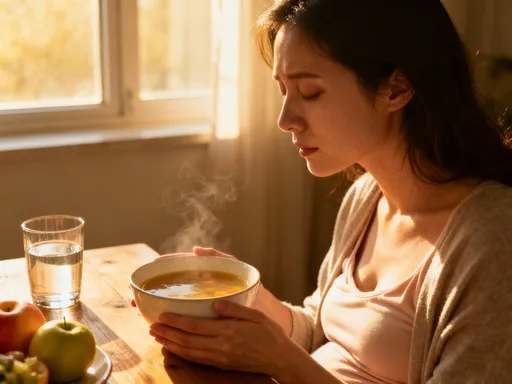
One of the first changes I made was reducing raw and cold foods, especially in the morning and during colder months. Salads, smoothies, and iced drinks, while popular in modern diets, are considered “damp” and “cold” in TCM, potentially weakening digestive fire. Instead, I shifted to warm, cooked foods: soups, stews, porridges, and steamed vegetables. Starting the day with warm lemon water or ginger tea became a ritual. These small shifts didn’t feel restrictive—they felt nourishing.
I also began paying attention to food energetics. Some foods are warming (like ginger, cinnamon, lamb), while others are cooling (like cucumber, watermelon, tofu). In summer, a bit of cooling food helps balance heat; in winter, warming foods support internal warmth. I didn’t eliminate any food group but learned to choose based on season, activity level, and how I felt. For example, if I felt sluggish, I added more warming spices. If I felt overheated or irritable, I included more cooling vegetables.
The results were noticeable. Digestive discomfort—once a frequent companion—diminished. My energy remained steady throughout the day, without the mid-afternoon crashes. I also caught fewer colds, especially during seasonal transitions. This wasn’t due to a special supplement or diet plan, but to consistent, mindful eating that respected my body’s needs. TCM doesn’t promote extreme restrictions. It encourages awareness—listening to the body and adjusting accordingly. For women managing households, this approach is practical: warm meals can be batch-cooked, leftovers reheated, and family meals made both nutritious and balancing.
Mind-Body Harmony: Managing Stress the TCM Way
Emotional well-being is inseparable from physical health in TCM. Each organ system is linked to an emotion: the Liver to anger and frustration, the Heart to joy and anxiety, the Spleen to overthinking and worry, the Lungs to grief, and the Kidneys to fear. When emotions are prolonged or unexpressed, they can disrupt the flow of Qi and affect organ function. For example, chronic stress or irritability can lead to Liver Qi stagnation, manifesting as tension, headaches, or digestive issues.
I realized that my constant low-grade stress—juggling deadlines, household demands, and family needs—wasn’t just mental; it was taking a physical toll. I often felt tight in the shoulders, had trouble falling asleep, and experienced occasional digestive upset. TCM taught me that these weren’t separate issues but signs of internal disharmony. Instead of reaching for solutions outside myself, I began cultivating daily practices to release tension and restore flow.
I started with just five minutes a day: deep abdominal breathing, gentle stretching, or a short walk in nature. These weren’t intense workouts, but moments of presence. I learned simple Qi Gong movements—slow, flowing motions that coordinate breath and movement to circulate Qi. Over time, these practices became non-negotiable, like brushing my teeth. I noticed my shoulders relaxed, my sleep improved, and my mood stabilized. I became less reactive, more patient.
Modern science confirms the mind-body connection. Chronic stress elevates cortisol, suppresses immune function, and increases inflammation. Practices that promote relaxation—such as deep breathing, meditation, or mindful movement—activate the parasympathetic nervous system, supporting digestion, repair, and resilience. TCM doesn’t require hours of meditation or retreats. It values consistency and small acts of self-care. For busy women, even a few conscious breaths between tasks can shift the body from survival mode to restoration.
Seasonal Awareness: Preparing Your Body Before Illness Strikes
One of the most empowering aspects of TCM is its emphasis on seasonal living. Instead of waiting for illness to appear, TCM encourages preparing the body in advance. Each season is associated with an organ system, emotion, and set of imbalances. Spring corresponds to the Liver, a time for detox and renewal. Summer supports the Heart and circulation. Autumn governs the Lungs and skin, while winter nourishes the Kidneys and deep reserves.
I began adjusting my habits with the seasons. In spring, I incorporated more leafy greens and gentle detoxifying foods like dandelion tea. In summer, I stayed hydrated and protected myself from excessive heat. Autumn brought the most noticeable change. Knowing that cold and dry air can weaken the Lungs—making one prone to coughs and respiratory infections—I started taking preventive steps early. I drank warm herbal teas, ate moistening foods like pears and honey, and made sure to cover my neck when outdoors, as TCM teaches that wind and cold often enter through the back of the neck.
These small habits paid off. In previous years, I would develop a dry cough or cold by late October. But with seasonal awareness, I remained strong through the fall. I didn’t eliminate exposure to germs, but my body was better equipped to handle it. Winter became a time of conservation—earlier bedtimes, warmer foods, and nurturing my Kidney energy through rest and nourishing soups.
This proactive approach shifts the mindset from reaction to preparation. It’s like changing the oil in a car before the engine fails. By aligning with nature’s cycles, we support our body’s natural defenses before challenges arise. For families, this means fewer sick days, more energy for daily life, and a greater sense of control over health.
Putting It All Together: A Sustainable Prevention Lifestyle
Looking back, no single change transformed my health overnight. It was the integration of rhythm, diet, emotional balance, and seasonal awareness that created lasting results. TCM isn’t about perfection; it’s about presence. It’s about making small, consistent choices that add up over time. Some days I eat late, skip a walk, or feel stressed. But the foundation is there—my body knows what balance feels like, and I can return to it.
I encourage anyone interested to start with one habit. Maybe it’s eating a warm breakfast, going to bed 30 minutes earlier, or taking three deep breaths when feeling overwhelmed. Observe how your body responds. Does digestion improve? Do you sleep more soundly? Is your energy steadier? These subtle shifts are signs of zhengqi growing stronger.
It’s also essential to remember that TCM is complementary. If you have a health concern, always consult a licensed healthcare provider. TCM practices are not a substitute for diagnosis or treatment, but they can support recovery and prevent recurrence. Working with a qualified TCM practitioner can provide personalized guidance, especially for herbal support or acupuncture.
For women in midlife and beyond, this approach is especially valuable. As hormonal changes occur, the body becomes more sensitive to imbalance. A foundation of daily rhythm and self-care can ease transitions and maintain vitality. This isn’t about looking younger; it’s about feeling stronger, more resilient, and more in tune with your body.
The wisdom of TCM lies in its simplicity and depth. It doesn’t require special equipment or expensive treatments. It asks only that we pay attention—to our bodies, our habits, and the natural world around us. By doing so, we cultivate a quiet strength that doesn’t shout, but sustains.
This TCM-inspired way of living hasn’t just helped me feel better—it’s reshaped how I view health. Instead of waiting for problems, I now focus on daily balance. It’s not about being perfect, but about showing up for your body every day. By aligning with natural wisdom and listening closely, we build a stronger foundation—one that quietly, steadily keeps illness at bay.