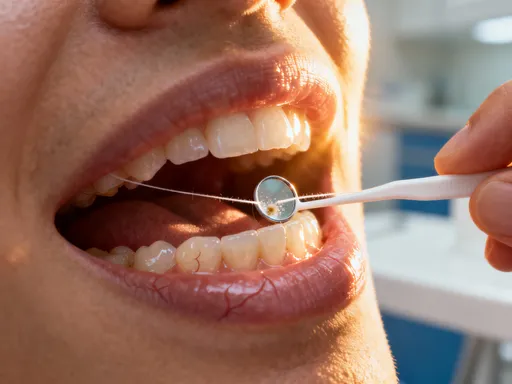
How I Finally Tamed My Tooth Troubles — A Real Talk Guide to Smarter Oral Care
You brush every day, but do you really know what’s happening in your mouth? I didn’t — until I faced constant bad breath, sensitive teeth, and yearly cavities. After years of guessing, I dug into science-backed ways to manage oral health like a pro. This isn’t about perfect smiles — it’s about preventing problems before they hurt. What if small daily shifts could save you from pain, cost, and endless dental visits? Let’s explore how real change starts far before you see the dentist.
The Hidden Crisis in Your Mouth
Most people assume that as long as they brush their teeth, their mouth is healthy. But behind the scenes, silent threats like gingivitis, enamel erosion, and dry mouth are quietly taking hold. These conditions often develop without dramatic symptoms, making them easy to ignore until serious damage occurs. Bleeding gums when brushing? That’s not normal — it’s one of the earliest signs of gum disease. Persistent bad breath, tooth sensitivity to hot or cold, and even a dry, sticky feeling in the mouth are not quirks of aging; they’re warning signals your body sends when something is off.
Gingivitis, the mildest form of gum disease, affects nearly half of adults over the age of 30, according to data from the Centers for Disease Control and Prevention. Left unchecked, it can progress to periodontitis, a more severe condition involving bone loss and potential tooth loss. But the implications go beyond the mouth. Research has shown strong associations between chronic gum disease and systemic health issues, including cardiovascular disease and complications in blood sugar regulation, particularly in people with type 2 diabetes. The mouth is not an isolated part of the body — it’s a gateway, and what happens there can echo throughout your overall health.
What makes this crisis so preventable — and so frustrating — is that most oral diseases do not appear overnight. They develop gradually, often over years, fueled by habits that seem harmless at first. Skipping flossing, brushing too quickly, or relying solely on mouthwash without proper cleaning all contribute to an environment where harmful bacteria thrive. The good news? Unlike many chronic conditions, oral disease is largely avoidable with consistent, informed care. The key is recognizing that your mouth is not just a collection of teeth — it’s a complex ecosystem that requires attention, balance, and daily maintenance.
Why Brushing Alone Isn’t Enough
Brushing your teeth twice a day is a cornerstone of oral hygiene, but it’s only one piece of the puzzle. Think of brushing like mowing the lawn — it trims the visible surface, but it doesn’t eliminate the roots beneath. Plaque, the sticky film of bacteria that forms on teeth, regenerates quickly, often within hours of brushing. Even with perfect technique, a toothbrush only cleans about 60% of tooth surfaces. The spaces between teeth and along the gumline are often missed, leaving behind colonies of bacteria that can harden into tartar if not removed.
Timing and technique matter. Many people brush for less than the recommended two minutes, rush through certain areas, or apply too much pressure, which can damage gums and wear down enamel over time. Electric toothbrushes with timers can help, but the real issue lies in what happens after brushing. Without additional tools, plaque continues to accumulate in hard-to-reach zones. This is where complementary habits become essential. Flossing, for instance, reaches the interdental spaces where brushing can’t, disrupting bacterial colonies before they cause harm.
Tongue cleaning is another overlooked step. The tongue’s rough surface harbors bacteria that contribute to bad breath and can reseed the teeth after brushing. Using a tongue scraper or even a soft toothbrush to gently clean the tongue surface can significantly reduce bacterial load. Antimicrobial mouth rinses can also play a supportive role, particularly for those prone to gum inflammation or dry mouth. However, they should not replace mechanical cleaning. Rinsing without flossing or brushing is like washing the outside of a window while leaving the inside dirty — it gives the illusion of cleanliness without addressing the real problem.
The goal is not perfection but consistency. A complete oral care routine doesn’t have to be complicated, but it does need to be thorough. By combining brushing with flossing, tongue cleaning, and, when appropriate, rinsing, you create a multi-layered defense against decay and disease. These small additions may seem minor, but over time, they make a major difference in preventing cavities, gum disease, and the need for costly dental procedures.
Decoding Plaque and Gum Inflammation
Plaque is often dismissed as just “dirt” on teeth, but it’s actually a living, dynamic community of bacteria known as a biofilm. This microbial colony forms when bacteria in the mouth feed on sugars from food and produce acids as a byproduct. These acids attack tooth enamel, leading to decay, while the bacteria themselves trigger an immune response in the gums. When plaque builds up along the gumline, it causes inflammation — the body’s way of fighting off what it perceives as an infection. This early stage is called gingivitis, characterized by red, swollen gums that may bleed during brushing or flossing.
Many people accept bleeding gums as normal, especially if it’s been happening for years. But this is a dangerous misconception. Bleeding is not a routine part of oral care — it’s a red flag. If plaque is not removed, the inflammation can deepen, causing the gums to pull away from the teeth and form pockets. These pockets trap more bacteria and are difficult to clean at home, creating a cycle of worsening infection. At this point, gingivitis has progressed to periodontitis, a more advanced form of gum disease that can lead to bone loss around the teeth and, eventually, tooth loss.
What’s crucial to understand is that gingivitis is reversible with proper care. Daily flossing, consistent brushing, and regular dental cleanings can restore gum health within weeks. But once periodontitis sets in, the damage is often irreversible, though it can be managed. The immune system’s chronic response to long-term bacterial presence doesn’t just affect the mouth — it can contribute to systemic inflammation, which has been linked to heart disease, stroke, and complications in diabetes management.
The takeaway is clear: early intervention is key. By treating bleeding gums as a serious signal rather than a minor annoyance, you can stop gum disease in its tracks. This means not ignoring symptoms, not waiting for pain to appear, and not assuming that brushing alone is enough. A proactive approach — one that includes daily interdental cleaning and regular professional checkups — is the most effective way to maintain healthy gums and prevent long-term complications.
Smart Tools That Actually Make a Difference
Not all oral care tools are created equal, and choosing the right ones can significantly impact your results. Electric toothbrushes, for example, have been shown in multiple studies to reduce plaque and gingivitis more effectively than manual brushes, especially for people who tend to brush too hard or too briefly. Their built-in timers help ensure a full two-minute clean, and oscillating or sonic heads can break up plaque more efficiently than manual scrubbing. That said, a manual toothbrush used correctly — with gentle, circular motions and proper angling along the gumline — can still be highly effective. The key is technique, not just technology.
When it comes to cleaning between teeth, options vary, and the best choice depends on individual needs. Traditional floss is effective for tight spaces and is widely recommended by dental professionals. However, for those with dexterity issues or braces, flossing can be challenging. Water flossers, which use a stream of water to remove debris and bacteria from between teeth and below the gumline, offer a convenient alternative. Studies suggest they are as effective as string floss for reducing gingivitis and may be easier to use consistently. Interdental brushes — small, cone-shaped brushes designed to fit between teeth — are another excellent option, particularly for people with larger gaps or gum recession.
Fluoride toothpaste remains a cornerstone of cavity prevention. Fluoride strengthens enamel and supports remineralization, the natural process by which teeth repair early acid damage. Despite some misinformation, decades of research support the safety and effectiveness of fluoride in preventing tooth decay. For individuals with dry mouth — a condition that can be caused by medications, aging, or medical conditions — saliva plays a critical role in neutralizing acids and washing away food particles. Over-the-counter saliva substitutes, sugar-free gum, and products containing xylitol can help stimulate saliva flow and protect against decay.
The best tool is the one you’ll use consistently. Trends come and go — charcoal toothpaste, oil pulling, and other viral methods may sound appealing, but few have strong scientific backing. Instead of chasing the latest fad, focus on evidence-based tools that fit your lifestyle. Whether it’s an electric brush, water flosser, or traditional floss, the goal is to find a routine that works for you and stick with it. Consistency, not complexity, is what leads to lasting oral health.
The Diet-Mouth Connection You Can’t Ignore
What you eat has a direct and powerful impact on your oral health. Sugar is the primary fuel for harmful mouth bacteria, which convert it into acid that attacks enamel. Every time you consume something sugary — whether it’s candy, soda, or even a seemingly healthy granola bar — you trigger an acid attack that can last up to 20 minutes. Frequent snacking or sipping on sugary drinks throughout the day means your teeth are under constant assault, leaving little time for natural remineralization to occur.
But sugar isn’t the only culprit. Acidic foods and beverages — including citrus fruits, tomatoes, wine, and carbonated drinks — can erode enamel even without sugar. This process, known as acid erosion, weakens the tooth surface and increases sensitivity. Over time, it can lead to thinning enamel and a higher risk of cavities. The problem is compounded when acidic and sugary foods are combined, as in many processed snacks and drinks. Reading labels is essential, as hidden sugars and acids are common in items marketed as healthy, such as flavored yogurts, sports drinks, and dried fruit.
On the flip side, certain foods actively support oral health. Crunchy vegetables like carrots and celery act as natural cleansers, stimulating saliva and helping to scrub away plaque. Dairy products such as cheese, milk, and plain yogurt are rich in calcium and phosphates, which help rebuild enamel. Green tea contains antioxidants that can reduce inflammation and inhibit bacterial growth. And water — especially fluoridated tap water — is perhaps the most underrated oral health ally. It rinses away food particles, dilutes acids, and supports saliva production.
Timing matters, too. Eating meals all day long keeps the mouth in an acidic state. Instead, try to limit eating to defined meal times and finish with a tooth-friendly food, like a piece of cheese or a glass of water. Avoid brushing immediately after consuming acidic foods, as softened enamel is more vulnerable to damage. Wait at least 30 minutes to allow saliva to neutralize acids and reharden the enamel. By making mindful food choices and structuring your eating habits, you can create an environment in your mouth that supports strength and resilience rather than decay.
Daily Routines That Prevent Disease Buildup
A successful oral care routine isn’t about doing everything perfectly once — it’s about doing the basics consistently every day. A practical morning and night sequence can make all the difference. In the morning, start by brushing for two minutes with fluoride toothpaste, focusing on all surfaces of the teeth and the gumline. Follow with flossing or using an interdental tool to clean between teeth. If desired, finish with a rinse, but avoid rinsing with water immediately after brushing, as this washes away the protective fluoride layer.
In the evening, the routine should be even more thorough. Begin with flossing or using a water flosser to remove food particles and plaque from the day. Then brush for two full minutes, paying extra attention to the back teeth and areas prone to buildup. Consider using a tongue scraper to remove bacteria that contribute to bad breath. If you suffer from dry mouth, a saliva-boosting gel or rinse before bed can provide overnight protection.
Common mistakes can undermine even the best intentions. Brushing too hard is a frequent issue, leading to gum recession and enamel wear. Use gentle pressure — you don’t need to scrub. Skipping floss because it’s time-consuming or difficult is another pitfall. But even a few seconds spent cleaning between teeth can prevent long-term problems. Many people also rinse their mouth with water or mouthwash immediately after brushing, which reduces fluoride’s effectiveness. Instead, spit out excess toothpaste but avoid rinsing.
A sample 3-minute routine might look like this: 1 minute of flossing or interdental cleaning, 2 minutes of brushing with a timer, and a quick tongue clean. This doesn’t require special skills or expensive products — just commitment. The real power lies in repetition. Small habits, performed daily, compound over time to create strong defenses against decay and disease. The goal isn’t a flawless routine every day, but a sustainable one that you can maintain for life.
When to See a Professional — And What to Expect
No home routine, no matter how thorough, can replace the expertise of a dental professional. Regular checkups and cleanings are essential for catching problems early and maintaining long-term oral health. Most dentists recommend visits every six months, though some individuals may need more frequent care based on their risk factors. These appointments are not just about cleaning — they’re comprehensive assessments of your oral health.
During a checkup, your dentist will examine your teeth for decay, check for signs of gum disease by measuring pocket depth around the teeth, and look for enamel erosion, cracks, or other damage. They’ll also screen for oral cancer, a condition that can develop without obvious symptoms in its early stages. X-rays may be taken periodically to detect issues beneath the surface, such as impacted teeth or bone loss. A professional cleaning removes tartar — hardened plaque that cannot be eliminated by brushing or flossing alone — from above and below the gumline.
These visits are also an opportunity for dialogue. Don’t hesitate to ask questions, share concerns, or discuss changes you’ve noticed, such as increased sensitivity or bleeding. Understanding your treatment plan and the reasoning behind recommendations helps you take ownership of your care. If gum disease is detected, your dentist may suggest a deep cleaning procedure or refer you to a periodontist. For those with dry mouth, they can recommend specific products or adjustments to your routine.
Self-care and professional care are not alternatives — they are partners. Daily brushing and flossing reduce the workload between visits, but only a dentist can address issues that have already developed. By combining consistent home care with regular professional oversight, you create a powerful defense against oral disease. This partnership is the foundation of lifelong oral health.
Oral health isn’t about vanity — it’s a core part of overall wellness. By understanding the why behind daily habits, you shift from reacting to pain to preventing it. Small, consistent actions build long-term protection. This guide isn’t a cure-all, but a roadmap to smarter choices. Let your mouth thrive — not just survive.