How I Built a Smarter Routine to Outsmart Illness—And You Can Too
Staying healthy isn’t just about eating right or dodging germs—it’s about building smart, consistent habits that protect your body long-term. I used to get sick every winter, but after rethinking my daily routine, everything changed. This isn’t a miracle fix, but a real, step-by-step approach using simple exercise techniques that strengthen your body’s natural defenses. It’s practical, science-backed, and something anyone can start today. The journey to better health doesn’t require expensive supplements or drastic lifestyle overhauls. Instead, it begins with understanding how everyday movement influences your immune system, how small changes add up, and how you can design a routine that fits your life—not fights against it. This is about making choices that compound over time, turning protection into a habit rather than a chore.
The Hidden Link Between Movement and Immunity
For decades, scientists have observed a powerful connection between physical activity and immune health, one that goes far beyond the familiar feeling of being more energized after a walk or workout. Regular, moderate exercise has been shown to enhance the body’s ability to detect and respond to pathogens, acting like a silent guardian that keeps the immune system alert and efficient. Studies published in reputable journals such as Medicine & Science in Sports & Exercise indicate that individuals who engage in consistent physical activity experience fewer upper respiratory tract infections—like colds and flu—than their sedentary counterparts. This is not because exercise kills viruses directly, but because it improves circulation, allowing immune cells to patrol the body more effectively.
One key mechanism behind this protection is the way exercise reduces chronic inflammation. While acute inflammation is a necessary part of healing, long-term, low-grade inflammation is linked to a host of chronic conditions, including heart disease, diabetes, and certain cancers. Moderate physical activity helps regulate the immune system’s inflammatory response, keeping it balanced rather than overactive. Research from the University of California, San Diego, demonstrated that just 20 to 30 minutes of brisk walking can lower levels of inflammatory markers in the blood. This means that something as simple as a daily walk may actively quiet the internal environment where illness can take root.
However, it’s important to recognize that more is not always better. Intense, prolonged exercise without adequate recovery—such as marathon training or extreme daily workouts—can temporarily suppress immune function. During these periods, the body experiences increased levels of stress hormones like cortisol, which can inhibit the activity of white blood cells. This is why some elite athletes report getting sick after major competitions. The goal, therefore, is not to push to exhaustion, but to find a sustainable rhythm of movement that supports the immune system without overwhelming it. Consistency, not intensity, is the cornerstone of long-term protection.
The takeaway is clear: daily, moderate physical activity strengthens the body’s surveillance and response systems. It trains the immune system much like a muscle—regular use keeps it strong and ready. This isn’t about athletic performance; it’s about resilience. By incorporating movement into your routine, you’re not just improving fitness—you’re upgrading your body’s internal defense network in a way that pays dividends year after year.
Why Sitting Is the New Smoking (And What to Do About It)
The phrase “sitting is the new smoking” may sound dramatic, but it reflects a growing body of evidence linking prolonged sedentary behavior to serious health risks. According to data from the World Health Organization, physical inactivity is one of the leading risk factors for global mortality, contributing to approximately 3.2 million deaths annually. Unlike smoking, which people often recognize as harmful, sitting for long periods is easy to overlook—especially for those working from home, managing household responsibilities, or spending hours watching children’s activities. Yet, the biological impact is real: extended sitting slows blood flow, reduces insulin sensitivity, and disrupts metabolic function, creating conditions where chronic diseases can thrive.
One of the most concerning effects of prolonged sitting is its impact on circulation. When you remain seated for hours, blood pools in the lower extremities, reducing oxygen delivery and impairing the movement of immune cells. This sluggishness also affects the lymphatic system, which relies on muscle contractions to filter waste and transport infection-fighting cells. Without regular movement, this system becomes less efficient, potentially increasing susceptibility to infections. Additionally, studies have shown that sitting for more than eight hours a day is associated with a 15% to 20% higher risk of developing cardiovascular disease, independent of whether a person exercises later in the day.
The good news is that the solution doesn’t require drastic changes. Introducing frequent, short bursts of movement throughout the day can counteract many of these risks. Experts recommend taking a two- to five-minute break every 30 to 60 minutes to stand, stretch, or walk—even if it’s just around the kitchen or living room. These micro-movements stimulate blood flow, reset metabolic processes, and keep the immune system engaged. Simple actions like standing while talking on the phone, doing calf raises while brushing your teeth, or walking to a colleague’s desk instead of sending an email can make a meaningful difference.
For those working remotely or managing busy home routines, a structured micro-movement schedule can help. For example, set a timer to go off every hour. When it chimes, stand up and perform a quick sequence: 10 shoulder rolls, 10 air squats, and a 60-second walk around the house. Another effective strategy is to pair movement with daily habits—such as doing five minutes of stretching after using the restroom or walking in place during TV commercials. These small actions accumulate, contributing to the recommended 150 minutes of weekly moderate activity without requiring a formal workout. The goal is not to eliminate sitting entirely, but to break it up with regular, intentional movement that keeps your body functioning optimally.
Foundational Moves That Build Resilience
Building a resilient body doesn’t require complex equipment or hours at the gym. Instead, it relies on three foundational types of movement: aerobic exercise, strength training, and mobility work. Each plays a unique and essential role in supporting long-term health and preventing disease. Aerobic activity—such as brisk walking, cycling, or swimming—improves cardiovascular function, enhances lung capacity, and boosts circulation. This type of exercise has been directly linked to reduced risks of heart disease, stroke, and type 2 diabetes. Public health guidelines recommend at least 150 minutes of moderate-intensity aerobic activity per week, which breaks down to just 30 minutes a day, five days a week.
Strength training is equally important, though often overlooked, especially among women over 30. As we age, muscle mass naturally declines—a process called sarcopenia—that can lead to weakness, reduced metabolism, and increased frailty. Resistance exercises, even using body weight, help preserve and rebuild muscle, supporting joint stability and bone density. Studies show that regular strength training lowers blood sugar levels, improves insulin sensitivity, and enhances immune cell production in bone marrow. Simple exercises like wall push-ups, chair squats, and step-ups can be done at home with no equipment. Starting with two sessions per week, focusing on major muscle groups, is enough to see benefits.
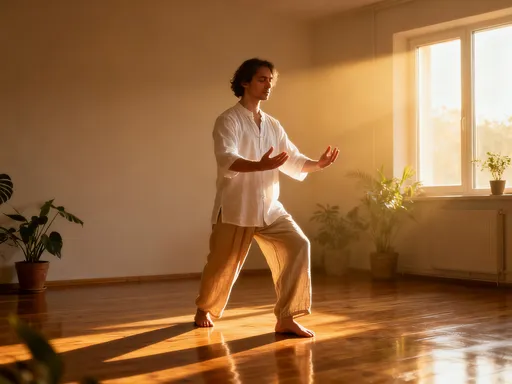
Mobility work—stretching, yoga, or dynamic movements—completes the trio by maintaining flexibility and joint health. Poor mobility can lead to chronic pain, reduced range of motion, and increased risk of injury, all of which discourage physical activity. Daily stretching, especially after sitting or before bed, helps release muscle tension and supports lymphatic drainage. Gentle practices like tai chi or chair yoga are excellent for beginners and those with limited mobility. These activities also promote mindfulness, reducing stress—a known suppressor of immune function.
The key is to combine these elements in a balanced, manageable way. A sample weekly routine might include 30 minutes of brisk walking five days a week, two 20-minute strength sessions, and daily five-minute stretching. The focus should be on consistency, not perfection. Even if a full session isn’t possible, doing part of it—like 10 minutes of movement—still counts. Over time, these efforts build a stronger, more resilient body capable of fending off illness and maintaining vitality well into later years.
Breathing Techniques as a Secret Weapon
While often overlooked, breathing is a powerful yet accessible tool for enhancing health and immunity. Unlike many bodily functions, breathing sits at the intersection of automatic and voluntary control—meaning you can influence it consciously to produce measurable physiological benefits. Controlled breathing techniques have been shown to improve lymphatic flow, reduce stress hormones like cortisol, and enhance oxygen delivery to tissues. These changes create a more favorable internal environment for immune cells to function effectively.
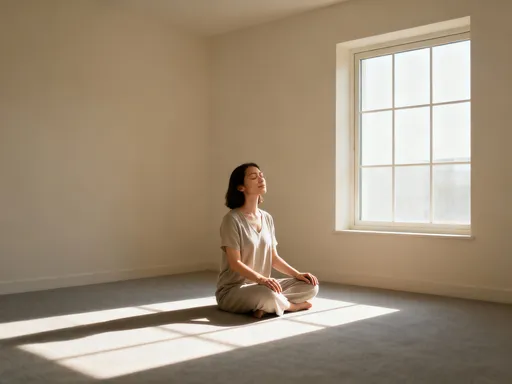
One of the most effective methods is diaphragmatic breathing, also known as belly breathing. This technique involves inhaling deeply through the nose, allowing the abdomen to rise, and exhaling slowly through the mouth. This type of breathing activates the parasympathetic nervous system, which promotes relaxation and counteracts the body’s stress response. Research from Harvard Medical School indicates that regular practice of diaphragmatic breathing can lower blood pressure, improve sleep quality, and reduce markers of inflammation. Because chronic stress weakens immune defenses, calming the nervous system through breathwork is a direct way to support long-term health.
Another valuable technique is box breathing, a method used by healthcare professionals and first responders to maintain focus under pressure. It involves inhaling for four counts, holding the breath for four counts, exhaling for four counts, and holding again for four counts—forming a “box” pattern. This rhythmic practice helps regulate heart rate variability, a marker of resilience and cardiovascular health. When practiced for just five minutes a day, box breathing can reduce anxiety and improve mental clarity, making it ideal for morning routines or winding down after a long day.
Integrating breathwork into daily life doesn’t require special training or time. You can practice while waiting for the kettle to boil, during a child’s homework session, or before bed. Start with two to three minutes and gradually increase to five. The goal is not to achieve perfection, but to build a habit that complements physical activity. When combined with movement, controlled breathing enhances oxygenation, supports detoxification through improved lymph flow, and reinforces the body’s natural rhythms. It’s a simple, silent practice with profound effects—making it a true secret weapon in the quest for lasting wellness.
Building a Sustainable Routine: The Power of Small Wins
One of the biggest obstacles to long-term health is the belief that change must be dramatic to matter. In reality, the most effective routines are built not on grand gestures, but on small, repeatable actions that become automatic over time. This is where the concept of habit stacking proves invaluable. Habit stacking involves linking a new behavior to an existing one—such as doing five minutes of stretching after brushing your teeth or taking a short walk after dinner. Because the new habit is tied to something already ingrained, it’s more likely to stick.
For busy women managing households, careers, or caregiving responsibilities, time and energy are often in short supply. The solution isn’t to find more time, but to use existing moments more intentionally. Instead of aiming for a 45-minute workout, start with 10 minutes of movement. That could be a walk around the block, a quick home stretch, or dancing to one song with a child. Research shows that even brief bouts of activity, when done consistently, contribute to improved cardiovascular health and immune function. The cumulative effect of daily micro-efforts is far greater than occasional intense sessions.
Motivation will naturally ebb and flow, so relying on it alone is risky. Instead, focus on systems and environment. Keep a pair of walking shoes by the door, place resistance bands in your living room, or set a daily reminder on your phone. Tracking progress can also be helpful—not to achieve perfection, but to build awareness. A simple checkmark on a calendar or a note in a journal can reinforce consistency and provide a sense of accomplishment. Over time, these small wins build confidence and momentum, making it easier to maintain the routine even during challenging weeks.
The real power of small habits lies in their sustainability. A 10-minute daily walk may seem insignificant, but over a year, it adds up to nearly 88 hours of movement—enough to significantly reduce disease risk and improve quality of life. The goal is not to transform overnight, but to create a lifestyle where health-supporting actions feel natural, manageable, and rewarding. When movement becomes a regular part of your day, not a punishment or chore, you’re far more likely to stick with it for the long haul.
When Exercise Isn’t Enough: Supporting Habits That Matter
Physical activity is a cornerstone of health, but it cannot work in isolation. Its benefits are maximized only when supported by other key lifestyle factors: quality sleep, proper hydration, and emotional well-being. Without these, even the most diligent exercise routine may fall short. For example, poor sleep impairs the production of cytokines—proteins that help fight infection—and reduces the effectiveness of vaccines. Studies show that adults who sleep fewer than six hours per night are more likely to catch colds than those who sleep seven or more.
Hydration is another critical but often underestimated factor. Water supports every bodily function, from digestion to temperature regulation to the transport of nutrients and immune cells. Even mild dehydration can lead to fatigue, headaches, and reduced concentration—making it harder to stay active and motivated. A practical approach is to keep a reusable water bottle nearby and sip throughout the day. Adding a slice of lemon or cucumber can make it more appealing, especially for those who find plain water unpalatable.
Mental well-being also plays a direct role in physical health. Chronic stress increases inflammation and suppresses immune activity, making the body more vulnerable to illness. Practices such as mindfulness, journaling, or spending time in nature can help regulate emotions and reduce stress. Simple rituals—like a five-minute gratitude reflection before bed or a quiet cup of tea in the morning—can create moments of calm in a busy day. These habits don’t require hours; they require intention.
The most effective health strategy is holistic. Movement, sleep, hydration, and emotional balance work together like gears in a machine—each influencing the others. When one is out of sync, the whole system suffers. By nurturing all these areas, you create a foundation where exercise can truly thrive, and where your body is equipped to resist illness and maintain energy, clarity, and strength throughout life.
Listening to Your Body: Avoiding Burnout and Staying Safe
One of the most important aspects of a healthy routine is knowing when to rest. While consistency is valuable, pushing too hard can backfire—especially when it comes to immune health. Overtraining, characterized by excessive exercise without adequate recovery, can lead to fatigue, irritability, poor sleep, and increased susceptibility to infections. Signs to watch for include a resting heart rate that is consistently higher than normal, persistent muscle soreness, and a drop in energy levels that doesn’t improve with rest.
Self-monitoring is a simple yet powerful tool. Taking your pulse first thing in the morning can provide insight into your body’s recovery status. A sudden increase of 10 beats per minute or more may indicate that your system is under stress and needs rest. Similarly, tracking sleep quality and mood can help you recognize when you’re pushing beyond your limits. This isn’t about perfection—it’s about awareness and responsiveness.
Rest days are not a sign of weakness; they are a necessary part of any effective routine. Active recovery—such as gentle walking, stretching, or restorative yoga—can promote circulation and healing without adding strain. These low-intensity activities support lymphatic flow and muscle repair, helping the body bounce back stronger. Listening to your body also means adjusting your routine when you’re ill. While mild movement may be beneficial during a cold, intense exercise should be avoided until symptoms resolve.
Finally, it’s essential to consult with a healthcare provider before beginning any new exercise program, especially if you have pre-existing conditions such as heart disease, diabetes, or joint issues. A doctor or physical therapist can help tailor a safe, effective plan that aligns with your health needs. Health is not a competition—it’s a lifelong journey of care, balance, and respect for your body’s signals.
True health isn’t found in quick fixes but in daily choices that add up. By integrating smart, science-aligned movement into your life—not as punishment, but as protection—you invest in long-term resilience. This system isn’t flashy, but it’s powerful, proven, and within reach for anyone willing to start small and stay consistent.